

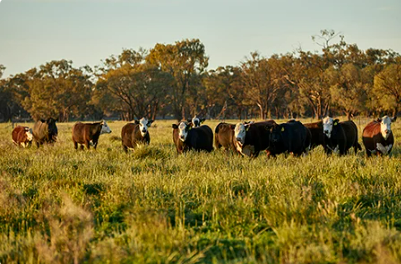
澳大利亚肉类及畜牧业协会结合澳大利亚统计局最新数据分析得出,依托屠宰量走高、澳洲北部气候条件适宜以及新南威尔士州部分地区牲畜集中出栏量增加,澳大利亚肉牛产业创下 2026 年有史以来最强开局。
今年一季度澳大利亚牛肉产量达 730077 吨,较 2025 年四季度增长 2%,同比上涨 8%,创下历年一季度产量新高。
肉牛屠宰量达 230 万头,较去年同期增长 6%,延续去年高产态势,市场供应充足。
澳肉类及畜牧业协会市场信息经理斯蒂芬・比格内尔表示,数据体现出肉牛行业发展势头持续向好,区域发展差异起到关键作用。
他称,统计局最新数据证实澳洲牛肉产业 2026 年开局势头强劲,产量环比、同比均实现上涨。
澳洲北部气候适宜助力养殖产能提升,新州北部干旱天气则推动当地肉牛集中入栏出栏。
一季度肉牛平均胴体重升至 317 公斤,呈持续上涨态势,得益于养殖环境改善以及谷饲肉牛出栏量增多。
全国母牛屠宰比例小幅升至 53%,表明行业仍在调整养殖存栏规模,该比例尚未触及近期峰值。
各州屠宰加工行情表现不一:
昆士兰州屠宰量上涨1%,达95.1万头
维多利亚州上涨2%,至55.29万头
新南威尔士州小幅回落,下降1%,为53.9万头
西澳大利亚州下降8%,至11.22万头
南澳大利亚州微降1%,达8.58万头
塔斯马尼亚州增长5%,至6.1万头
与此同时,本季度肉牛交易总额创下60亿澳元新高,即便市场行情有所变动,行业整体依旧保持坚挺。
比格内尔表示,交易额创下纪录,足以体现澳洲肉牛在国内外市场具备较强抗跌性与稳定需求。
尽管相较于2025年的峰值行情已有所回落,但牛肉行业整体基本面依旧稳固。
澳洲绵羊与羔羊产量有所回落
今年一季度澳洲绵羊及羔羊屠宰出栏量出现下滑,源于2025年集中出栏后市场供应趋于收紧。
全国绵羊屠宰量降至205万头,环比下降23%,同比大跌32%;羊肉产量降至51720吨,同比减少31%。
比格内尔称,产量回落标志着肉羊行业进入供需重新调整阶段。
他表示,经历2025年大规模出栏后,目前肉羊市场供应量开始收缩。
本季度屠宰量走低直接反映出栏货源不足,澳洲南部多个主产区屠宰加工量明显走弱。
新南威尔士州、维多利亚州、西澳大利亚州等核心产区屠宰量均大幅缩减。
绵羊平均胴体重降至25.2公斤,低于上一季度水平及五年均值,说明出栏羊群中小体型个体占比上升。
羔羊市场走势相近,季度屠宰量580万头,同比减少15%;产量下滑10%,至150551吨。
但羔羊平均胴体重升至25.8公斤,同比上涨6%,在一定程度上对冲了出栏量下降带来的影响。
比格内尔表示,虽然羔羊出栏量有所减少,但胴体重提升对整体产量形成支撑。
体重上涨得益于养殖效率持续提升,优质育肥饲养模式得到广泛普及。
2026 年展望
比格内尔表示,一季度行业数据为2026年后续发展筑牢良好基础。
他称,依托存栏结构与气候条件利好,短期内肉类产量将维持高位。
澳大利亚在全球红肉供应格局中始终占据重要地位,此番数据也印证行业有充足实力持续满足内外市场需求。
消息来源:MLA
ABS data confirms strong start to 2026 for beef production
New data from the Australian Bureau of Statistics (ABS), analysed by Meat & Livestock Australia (MLA), shows Australia’s beef industry has begun 2026 with its strongest start on record, underpinned by high throughput, favourable seasonal conditions in northern regions and increased yardings in parts of New South Wales.
Australia produced 730,077 tonnes of beef in the March quarter, up 2% on the December 2025 quarter and 8% higher year-on-year, marking the largest first quarter production on record.
Cattle slaughter reached 2.30 million head, representing a 6% lift on the March 2025 quarter, reinforcing the strong supply pipeline following record production levels last year.
MLA Market Information Manager Stephen Bignell said the results highlight the continued momentum across the cattle sector, with regional dynamics playing a key role.
“The latest ABS data confirms a very strong start to 2026 for the Australian beef industry, with production lifting on both the previous quarter and year-ago levels,” Mr Bignell said.
“Favourable seasonal conditions across northern Australia are supporting productivity, while dry conditions in northern New South Wales have contributed to higher yardings and turn-off in that region.”
Carcase weights also continue to trend upward, reaching 317kg in the March quarter, reflecting improved conditions and high grainfed turnoff.
The national female slaughter rate lifted slightly to 53%, indicating ongoing herd adjustment, but remains below recent peaks.
State-by-state, processing trends were mixed:
Queensland slaughter lifted 1% to 951,000 head
Victoria rose 2% to 552,900 head
New South Wales eased slightly, down 1% to 539,000 head
Western Australia dropped 8% to 112,200
South Australia eased 1% to 85,800
Tasmania lifted 5% to 61,000
Meanwhile, the value of cattle transactions reached a record $6 billion for the quarter, highlighting the continued strength in the sector despite shifting market dynamics.
“Record transaction values demonstrate the resilience and underlying demand for Australian cattle, both domestically and internationally,” Mr Bignell said.
“While we are seeing some moderation following the exceptional highs of 2025, the fundamentals of the beef sector remain strong.”
Sheep and lamb production ease
Sheep and lamb sectors recorded a pullback in throughput during the March quarter, reflecting a tightening in supply following elevated turn-off in 2025.
National sheep slaughter fell to 2.05 million head, down 23% quarter-on-quarter and 32% year-on-year, while mutton production declined to 51,720 tonnes, a 31% drop compared to the same quarter last year.
Mr Bignell said the decline points to a rebalancing phase across the sheep sector.
“We’re seeing a contraction in sheep supply following a period of high turn-off, particularly through 2025,” he said.
“Lower slaughter volumes this quarter reflect reduced availability, with several southern processing regions recording notably softer throughput.”
Key processing states recorded sharp declines, with volumes easing across New South Wales, Victoria and Western Australia.
Sheep carcase weights also slipped to 25.2kg, down on both the previous quarter and the five-year average, suggesting a higher proportion of lighter stock entering the system.
Lamb production followed a similar trend, with slaughter at 5.8 million head, down 15% year-on-year, and production easing 10% to 150,551 tonnes.
However, lamb carcase weights increased to 25.8kg, up 6% year-on-year, partially offsetting lower throughput.
“While lamb volumes have eased, improved carcase weights are helping support overall production,” Mr Bignell said.
“That lift reflects ongoing gains in productivity, including the continued uptake of improved feeding and finishing systems.”
Outlook
Mr Bignell said the March quarter results position the industry strongly for the remainder of 2026.
“We expect production to remain elevated in the near term, supported by herd dynamics and seasonal conditions,” he said.
“Australia continues to play a critical role in global red meat supply, and these results reinforce the industry’s capacity to meet ongoing domestic and export demand.”
Source:MLA

