

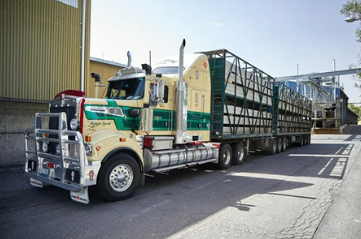
澳大利亚北部及偏远地区肉牛养殖户,如今可更便捷地使用国际领先的澳大利亚肉类标准(MSA)分级体系。新运输方案证实:符合条件的肉牛最长可经受5天运输,且仍满足MSA标准要求。
对养殖户而言,这项调整意味着长途产区的肉牛,只要满足全部预处理、运输、休饲及单证要求,就有更多渠道进入依托MSA标准的品牌牛肉项目。
这套全新MSA肉牛长途公路/铁路运输方案,由澳大利亚肉类与畜牧业协会(MLA)出资开展大量研究后推出。研究表明:从牧场启运至屠宰,肉牛最长可运输120小时,只要全程妥善管护,在中途休饲区与待宰圈供给优质干草或干饲料、饮水,就不会损害消费者食用品质。
澳大利亚北部地区距离屠宰加工厂路途遥远,长期以来限制了肉牛参与MSA分级、获取品牌牛肉溢价。该运输方案有望为当地养殖户创造新机遇。
MSA分级依托牧场信息、胴体指标与加工数据,预判牛肉食用品质,保障稳定的消费体验。
MLA胴体价值项目经理戴维·帕克表示,该方案是红肉行业一项重大突破。
“对澳大利亚北部众多养殖户来说,距离一直是参与MSA分级的主要障碍之一。”帕克博士称。
“这套方案以科学为支撑,贴合北部生产模式的现实情况,同时守住MSA体系赖以生存的标准完整性与消费者信任。”
研究证实,只要在运输前与全程对肉牛妥善管理,保障饲料、饮水与充足休息,牛肉食用品质可以维持,MSA模型仍可精准预判消费者满意度。
该方案依托MSA项目史上规模最大的运输研究之一。研究包含4组商业化运输试验,共计920头肉牛,6000余名消费者品鉴超过4000份牛肉样本。
研究人员发现,在方案规定条件下,运输时长、运输方式(公路或铁路)均不会对牛肉食用品质产生负面影响。
泰斯集团(Teys Group)畜牧总经理格伦·普尔表示,与MLA合作开展该项目,对增加可参与MSA分级屠宰牛只数量至关重要。
“这让养殖户能更好地将肉牛推向MSA肉类市场,加入依托MSA食用品质标准的品牌牛肉项目。”普尔说道。
对泰斯集团而言,该方案要求从牧场、运输、休饲直至屠宰全流程精细管控,肉牛在每一个环节都获得充足饲喂、饮水与休息。
运输全程的核心,是保障所有牛只得到充足饲料、适量饮水与充分休息,最大限度维持肉牛状态。
“作为加工企业,我们联合养殖户、铁路及运输商,并在厂区开展核验,支撑本项研究的科学性,维护MSA标准与品牌的长效性与完整性。”普尔表示。
符合资质的牛群批次必须满足多项要求,包括行程时长限制、运输全程供给优质干草或干饲料与饮水,以及整条供应链留存合规记录。
该方案需要养殖户、运输商与屠宰加工企业紧密协作,保障动物福利、食用品质以及MSA合规标准落地。
关于 MLA:
澳大利亚肉类与畜牧业协会(MLA)为澳大利亚肉牛、绵羊及山羊养殖户提供市场推广、研发服务。依托行业共同投入的资金创造发展机遇,在整条供应链中拉动市场需求、提升生产效率。MLA 大部分资金来源于牲畜交易征收的行业税,澳大利亚政府会对大部分研发类税捐配套拨付对等资金。
消息来源:MLA
New MSA transport pathway unlocks value for northern producers
Beef producers in northern and remote regions now have greater access to Australia's world-leading Meat Standards Australia (MSA) grading system after a new transport pathway confirmed eligible cattle can remain MSA-compliant after journeys of up to five days.
For producers, the change means cattle from longer-distance regions may have more pathways into MSA-backed branded beef programs, provided all preparation, transport, rest and documentation requirements are met.
The new MSA Beef long-duration road and/or rail transport pathway is the result of extensive research funded by Meat & Livestock Australia (MLA). The research found cattle can be transported for up to 120 hours from property dispatch to slaughter without compromising consumer eating quality, provided cattle are properly prepared and managed throughout the journey, including access to good-quality hay or dry feed and water at rest stops and during lairage.
The pathway is expected to create new opportunities for producers in northern Australia, where long distances to processing facilities have historically limited access to MSA grading and the branded beef premiums it can support.
MSA grading uses on-farm, carcase trait and processing data to predict beef eating quality and support consistent consumer satisfaction.
MLA Program Manager - Carcase Value, David Packer, said the pathway was a significant step forward for the red meat industry.
“For many producers in northern Australia, distance has been one of the major barriers to accessing MSA grading opportunities," Dr Packer said.
“This pathway provides a science-backed solution that reflects the realities of northern production systems while maintaining the integrity and consumer confidence that underpin the MSA program.
“The research showed that when cattle are appropriately managed prior to and throughout the transport journey, including access to feed, water and suitable rest periods, eating quality outcomes are maintained and the MSA model continues to accurately predict consumer satisfaction.”
The pathway is underpinned by one of the largest transport studies undertaken for the MSA program. The study involved 920 cattle across four commercial-scale transport replicates, with more than 4,000 beef samples assessed by over 6,000 consumers.
Researchers found neither transport duration nor transport mode, whether road or rail, adversely affected eating quality outcomes under the pathway requirements.
Teys Group General Manager Livestock, Glenn Poole, said partnering with MLA on this project was key to increasing the number of eligible MSA cattle for slaughter.
“It gives producers an enhanced ability to market their cattle towards MSA meat markets and to access branded beef programs that are underpinned by the MSA eating quality standards,” Mr Poole said.
For Teys, the pathway relies on careful preparation from the farm through transport, rest and processing, with cattle adequately fed, watered and rested at each point in the journey.
At each point in the journey, the key is to ensure that all cattle are adequately fed, appropriately watered and sufficiently rested, allowing them the best opportunity to perform to their best.
“As a processing company, verification with our producers, our rail and transport carriers and at the plant underpin the science of this research and ensure that the longevity and integrity of the MSA standards and brand are upheld,” Mr Poole said.
Eligible consignments must meet a range of requirements, including limits on journey duration, access to good quality hay or dry feed and water throughout transport, and documented compliance across the supply chain.
The pathway requires close coordination between producers, transport operators and processors to ensure animal welfare, eating quality and MSA compliance standards are maintained.
About MLA:
Meat & Livestock Australia Limited (MLA) delivers marketing and research and development services for Australia's cattle, sheep and goat producers, creating opportunities from their combined investments to build demand and productivity across the supply chain. Most of MLA's funding comes from transaction levies placed on the sale of livestock, with the Australian Government providing matched funding for levy investment in most R&D.
Source:MLA

