

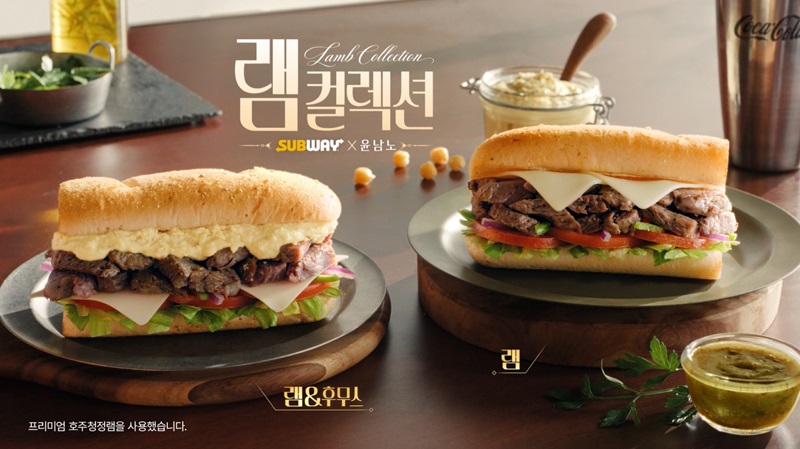
韩国赛百味推出澳大利亚羔羊三明治,以大众熟悉、便捷的产品形式触达新消费群体。图片由供稿方提供。
尽管经济前景不明、关税承压且消费者支出趋于谨慎,澳大利亚红肉在日韩市场的地位仍持续巩固,2026年展现出韧性并实现增长。
澳大利亚肉类与畜牧业协会(MLA)日韩区域经理特拉维斯·布朗表示,今年的市场表现印证了长期投入市场开发与消费者培育的价值。
市场环境充满挑战,但澳产牛肉与羔羊持续开拓新客群、挖掘新消费场景,支撑澳大利亚两大核心出口市场的需求。
“韧性,是我最先想到的词。”特拉维斯说道。
韩国牛肉市场最能体现这份韧性。继2025年创下澳产牛肉出口纪录后,2026年距离年末还有两个月时,韩国市场进口量就已经突破去年高点。
这一成绩来之不易:韩国在7月触发澳产牛肉保障措施配额,剩余时段关税上调,全年贸易面临不小阻力。
即便如此,市场需求依旧旺盛。
“市场反馈十分积极,终端消费者和采购方对澳产牛肉的需求保持稳定。”特拉维斯称。
日本市场情况有所不同,但同样向好。当地消费意愿走弱、价格敏感度上升,澳产牛肉出货量基本稳住。
“市场存在诸多不确定性,能维持接近去年的水平,已经是很不错的表现。”特拉维斯说。
地缘局势动荡、生产成本上涨、供应链压力等因素,都会显著影响日本采购商的采购决策。
依托数十年深耕积累的信任、稳定的产品品质与品牌价值,澳大利亚红肉依旧保持良好表现。
目前,澳大利亚在日韩进口牛肉市场的占比均超半数。特拉维斯认为,这一优势地位蕴藏巨大机会。
“我们不只是要提升市场份额。作为品类领跑者,我们更要做大整个红肉品类。”他说。
打造红肉消费新选择理由
品类增长策略是澳大利亚肉类与畜牧业协会(MLA)在这两个市场的核心工作重点。
团队没有局限于传统消费场景,而是积极探索路径,把澳产牛肉和羔羊肉融入新场景、新菜式以及全新消费时段。
日本的父亲节营销活动就是一个亮眼案例。
该活动已进入第三年,成功将父亲节打造为牛肉零售的重要销售节点。参与门店数量实现翻倍增长,从2025年的1300家,扩大至全国3000余家门店。
活动成效不止体现在澳产牛肉销量上。
“落地执行到位的连锁门店取得了可观的增长,”特拉维斯介绍。
不仅澳产牛肉销量上涨,参与活动零售商的全牛肉品类销售额同步提升,实现MLA与零售合作方双赢。
在韩国,工作重心放在快速扩张的团餐渠道,覆盖学校、医院以及大型企业食堂。
依托MLA澳肉学院项目,营养师和菜单研发人员学习羔羊肉的创新应用方式。
近期一场研习会共有148名参会者,超百人表示此前菜单从未使用羔羊肉,在参加培训后计划将其纳入菜单。
韩国大型企业集团GS集团在员工食堂试点羔羊肉菜品,单日供餐最高达2000份。
市场反馈极佳,羔羊肉由此被固定纳入轮换菜单。
这次试点让数千名原本很少选择羔羊肉的消费者接触到该产品。
“大约1500至2000人之前基本不吃羔羊肉,”特拉维斯说。
“现在他们每三周就能吃到,慢慢接受并喜爱上这款产品。”
在韩国,澳产羔羊肉以往大多和韩式烤肉绑定。
将消费场景拓展至食堂、午餐菜单和日常餐食,有助于让羔羊肉成为百搭的日常蛋白食材,不再是小众选择。
赛百味合作项目成效显现
本年度最出人意料的品类拓展案例,藏在两片面包之间。
经过数月与韩国赛百味的对接,澳大利亚肉类与畜牧业协会(MLA)协助其在全国近600家门店推出澳式羔羊三明治推广活动。
本次合作缘起于赛百味市场及菜单研发团队参与澳肉学院的一场分享会,活动特邀韩国知名网红厨师尹南诺,他因出演网飞节目拥有很高知名度。
MLA原本预计赛百味会推出澳产牛肉产品,但对方看中了羔羊肉这个独特的机会。
最终成果超出预期。
新品上线仅两周,羔羊三明治销量突破20万份,较赛百味原定销售目标高出70%。
“表现远超他们所有预期。”特拉维斯说。
本次推广也带来显著品牌增益。
依托赛百味投入数百万美元的广告宣传,覆盖电视、户外广告牌、线上媒体及门店物料,数百万韩国消费者看到“优质澳大利亚羔羊”的宣传标语。
对MLA而言,这场活动证明,以全新形式推出羔羊肉,能够打破传统消费习惯,潜力巨大。
“这给了我们绝佳的机会,让消费者尝试、了解并爱上羔羊肉。”特拉维斯说道。
蓄力迈向2027年
尽管2026年收获颇丰,但特拉维斯认为,更大的机遇还在前方。
多项重要牛肉合作项目即将落地,其中一家日本大型餐饮服务商计划将主力牛排产品线从美国牛肉更换为澳大利亚牛肉。
另有一家日本全国连锁品牌预计于明年初推出100%澳大利亚牛肉汉堡。
2027年农历新年恰逢羊年,也为在亚洲进一步拉动羔羊肉消费创造独特契机。
特拉维斯表示目标很明确:借助文化节点吸引消费者试吃,把偶尔消费的人群转化为稳定客群。
“我们希望更多人接触羔羊肉,慢慢熟悉并持续选择这一品类。”特拉维斯说。
日本父亲节活动、韩国团餐项目以及热度很高的《Chago’s Table》线上栏目等成熟项目,将持续迭代升级。
《Chago’s Table》现已来到第三年,单集播放量从最初约100万次增长至400万次以上,成为澳大利亚肉类与畜牧业协会向韩国消费者讲述澳产牛肉故事的有力传播渠道。
综合来看,2026年的成果也印证了一个道理:
在面临经济压力、消费习惯持续变化的成熟市场,增长未必来自向原有客群重复售卖同类产品。
增长往往源于创造全新的食用场景。对于特拉维斯及其日韩团队而言,这正是他们持续聚焦的方向。
消息来源:MLA
New opportunities for red meat in Japan and Korea
Subway Korea’s Australian lamb sub introduced the product to new consumers through a familiar, convenient format. Image supplied.
Despite economic uncertainty, tariff challenges and cautious consumer spending, Australian red meat has continued to strengthen its position in Japan and Korean markets, with 2026 proving a year of resilience and growth.
For Travis Brown, Meat & Livestock Australia’s (MLA) Regional Manager - Japan and Korea, the year reinforced the value of long-term investment in market development and consumer engagement.
Australian beef and lamb continued to find new audiences and new eating occasions despite challenging market conditions, helping to sustain demand in two of Australia's most important export destinations.
"Resilience is the word that comes to mind," Travis said.
That resilience is best illustrated in Korea's beef market. After setting a record for Australian beef exports in 2025, Korea has already surpassed that mark with two months of 2026 remaining.
The achievement was significant given the hurdles faced throughout the year, including Korea reaching its Australian beef safeguard quota in July, which triggered a higher tariff rate for the remainder of the year.
Despite those conditions, demand has remained strong.
"We've seen a really positive response, with continuing demand for Australian beef from consumers and customers," Travis said.
Japan's story has been slightly different, but no less encouraging. While the market has faced softer consumer spending and increased price sensitivity, Australian beef shipments have largely held their ground.
"To be tracking close to last year is a pretty strong performance given some of the concerns in the market," Travis said.
Those concerns range from global geopolitical instability and higher input costs to supply chain pressures, all factors that can weigh heavily on Japanese buying behaviour.
Yet Australian red meat has continued to perform, supported by decades of investment in building trust, consistency and brand equity.
Australia currently commands more than half of the imported beef market in both countries, a position Travis believed created significant opportunities.
"It's not just about growing our share. As category leaders, we need to grow the category itself," he said.
Creating new reasons to choose red meat
A category growth strategy has been a defining feature of MLA's work across both markets.
Rather than focusing solely on traditional consumption occasions, the team has been looking for ways to introduce Australian beef and lamb into new settings, cuisines and consumer moments.
One standout example has been MLA's Father's Day campaign in Japan.
Now in its third year, the campaign has transformed Father's Day into a meaningful retail occasion for beef sales. Participation has more than doubled, growing from 1,300 stores in 2025 to more than 3,000 outlets nationwide.
The results reached beyond Australian beef sales alone.
"The chains that executed the program well achieved really strong growth," Travis said.
Not only did Australian beef sales increase, but participating retailers saw growth across their total beef category to create a win-win outcome for both MLA and its retail partners.
In Korea, the team has focused on tapping into the rapidly growing institutional catering sector, which includes schools, hospitals and large corporate cafeterias.
Through MLA's Aussie Meat Academy program, nutritionists and menu planners were introduced to new ways of utilising lamb in their operations.
Of the 148 attendees at one recent workshop, more than 100 reported they had never previously used lamb in menu planning but planned to do so in the future as a result of the workshop.
One of Korea's largest conglomerates, GS Group, trialled lamb dishes across its employee cafeterias, serving up to 2,000 meals daily.
Feedback was overwhelmingly positive and lamb has since secured a permanent place on the menu rotation.
The trial has introduced lamb to thousands of consumers who may not have previously considered it.
"We've got 1,500 to 2,000 people who probably weren't eating a lot of lamb previously," Travis said.
"Now they're getting exposed to it and enjoying it every three weeks."
Australian lamb has traditionally been associated with Korean barbecue.
Expanding consumption into cafeterias, lunch menus and everyday dining occasions has helped normalise lamb as a versatile everyday protein rather than a niche choice.
A Subway partnership delivering results
The year’s most unexpected example of category expansion can be found between two slices of bread.
Following months of engagement with Subway Korea, MLA helped facilitate the launch of a nationwide Australian lamb sub promotion across nearly 600 stores.
The collaboration emerged after Subway's marketing and menu development teams participated in an Aussie Meat Academy session featuring celebrity chef Namno Yoon, a major media personality in Korea following his recent Netflix appearances.
MLA initially expected Subway to pursue Australian beef options, but the company instead identified a unique opportunity with lamb.
The result exceeded expectations.
Within just two weeks of launch, more than 200,000 lamb subs were sold, exceeding Subway's sales targets by 70%.
"It has outperformed all of their expectations," Travis said.
The promotion also delivered a significant branding benefit.
Backed by Subway’s multi-million-dollar advertising campaign spanning television, billboards, digital media and in-store promotion, millions of Korean consumers have been exposed to a tagline promoting ‘premium Australian lamb’.
For MLA, the campaign demonstrated the power of introducing lamb in new formats that challenged traditional consumption habits.
"It's given us a great opportunity for trial, exposure and enjoyment," Travis said.
Building momentum into 2027
While 2026 delivered plenty of positives, Travis believes some of the strongest opportunities may still lie ahead.
Several major beef partnerships are currently nearing fruition, including a large Japanese foodservice operator preparing to switch a major steak program from US beef to Australian beef.
Another nationwide Japanese chain is expected to launch a 100% Australian beef burger early next year.
The Year of the Sheep, which will coincide with Lunar New Year celebrations in 2027, also presents a unique opportunity to further elevate lamb consumption across Asia.
Travis said the goal is simple - use culturally significant moments to encourage trial and convert occasional consumers into regular buyers.
"We hope a few more people are exposed to lamb, become a little bit more familiar with it and stay in the category," Travis said.
Successful initiatives such as Father's Day in Japan, institutional catering programs in Korea and the hugely popular Chago's Table digital series will continue to evolve.
Now in its third year, Chago's Table has grown from attracting around one million views per episode to more than four million, giving MLA an increasingly powerful platform to share the story of Australian beef with Korean consumers.
Taken together, the achievements of 2026 point to a broader lesson.
In mature markets facing economic pressure and shifting consumer behaviour, growth doesn't always come from selling more of the same product to the same people.
Often, it comes from creating entirely new opportunities to enjoy it. For Travis and the Japan and Korea team, that's exactly where the focus remains.
Source:MLA

