

核心要点
肉牛市场对降雨反应强烈,表明牧场养殖状况是影响价格的最主要因素。
供应问题依旧主导着绵羊和羔羊市场的行情走势。
冬季临近,肉牛养殖户仍保持谨慎态度。
上周,澳大利亚东部大部分地区迎来降雨,极大提振了养殖户市场信心,截至5月9日,肉牛各类价格指数上涨10至34澳分。
此次降雨,成为新南威尔士州和昆士兰州部分肉牛养殖户的决策关键,这些养殖户此前仍在权衡,要在冬季来临前选择出栏变卖还是将牛只寄养放牧。
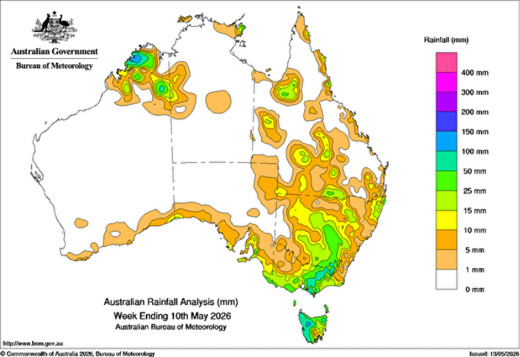
图1:2026 年 5 月 10 日当周澳大利亚降雨量图
来源:澳大利亚气象局(BOM)
降雨对绵羊及羔羊市场影响微弱
降雨对绵羊和羔羊市场影响并不明显,市场走势分化。截至5月9日,轻羔羊价格指数下跌47澳分,重羔羊价格指数上涨8澳分。
自2月下旬以来,澳大利亚南部主要养羊产区牧场环境持续好转,供应问题始终主导着绵羊与羔羊市场行情。尽管近几周价格指数波动起伏,但受供给偏紧影响,整体仍维持在历史高位水平。
新南威尔士州及昆士兰州南部干旱态势持续
肉牛市场行情强势反弹,正值新南威尔士州中北部以及昆士兰州南部干旱形势不断加剧的背景之下(见图 2)。
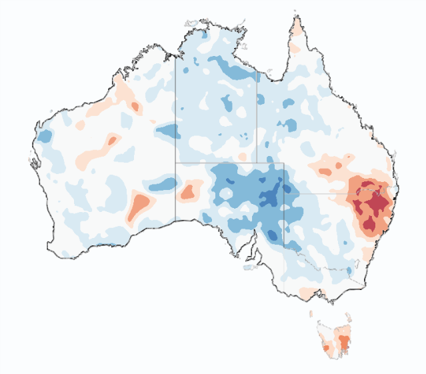
图2:根区土壤水分(2026 年 5 月 3 日)
来源:澳大利亚气象局(BOM)Bureau of Meteorology
自上周交易以来,肉牛各类价格指数继续走高,加工母牛指数上涨10澳分,后备一岁母犊牛指数上涨17澳分。仅有奶牛母牛指数小幅回落,下跌6澳分。
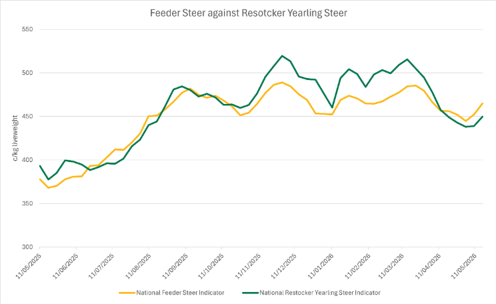
图3:育肥阉牛指数 对比 后备一岁阉牛指数
来源:澳大利亚国家牲畜报告服务局(NLRS)
尽管出现降雨,育肥阉牛价格仍高于后备一岁阉牛(见图3)。这表明由于主要肉牛产区的天然牧草依旧短缺,养殖户整体心态仍偏谨慎。
内容来源:澳大利亚肉类及畜牧业协会市场信息分析师 亚历克斯·弗莱
本文信息截至2026年5月14日撰稿时准确有效。
澳大利亚肉类及畜牧业协会不对本刊物所载信息的准确性、完整性和时效性作出任何明示或暗示保证。使用者自行承担使用或引用本内容所产生的全部风险,协会不因相关使用或依赖行为造成的任何损失、损害承担法律责任。未经澳大利亚肉类及畜牧业协会事先书面许可,禁止转载、摘录本刊物任何内容。凡使用本协会刊物、报告及相关资讯,均须遵守协会《市场报告与信息使用条款》。
消息来源:MLA
Rain lifts cattle markets; sheep and lamb steady
Key points
Strong reaction to rain for cattle markets, indicating on-farm conditions are having the biggest impact on prices.
Supply issues remain the dominant market driver in sheep and lamb markets.
Cattle producers remain cautious as winter sets in.
Last week, rain across most of the eastern states gave a strong boost to producer sentiment – supporting a 10¢–34¢ lift in cattle indicators as of 9 May.
The recent rain has become a deciding factor for the few cattle producers in NSW and Queensland who were still weighing up whether to turn-off or find agistment before winter sets in.
Figure 1: Australian rainfall week ending 10 May 2026. Source: BOM.
Rain has little impact on sheep and lamb
The rain had fewer observable impacts on sheep and lamb markets, which has recorded mixed results, from a drop of 47¢ for the Light Lamb Indicator and a lift of 8¢ for the Heavy Lamb Indicator as of 9 May.
Given the recovery of on-farm conditions of predominantly sheep-producing southern states since late February, supply issues have been the main market driver for sheep and lamb. Even with indicators erratic in recent weeks, they all remain at historically elevated levels due to limited supply.
Dry conditions in NSW and southern Queensland
The strong reaction of cattle producers came against the backdrop of increasingly dry conditions across central/northern NSW and southern Queensland (Figure 2).
Figure 2: Root zone soil moisture 3 May 2026. Source: BOM.
Since last week’s sales, cattle indicators have continued to push higher, with the Processor Cow Indicator lifting to 10¢ and the Restocker Yearling Heifer Indicator reaching 17¢. Only the Dairy Cow Indicator dropped, falling 6¢.
Figure 3: Feeder Steer vs Restocker Yearling Steer Indicators. Source: NLRS.
Despite the rain, a premium for feeder steers against restocker yearling steers remains (Figure 3). This indicates caution among cattle producers as ground feed remains restricted across key cattle regions.
Attribute content to: Alex Fry, MLA Market Information Analyst.
Information is correct at time of writing on 14 May 2026.
MLA makes no representations as to the accuracy, completeness or currency of any information contained in this publication. Your use of, or reliance on, any content is entirely at your own risk and MLA accepts no liability for any losses or damages incurred by you as a result of that use or reliance. No part of this publication may be reproduced without the prior written consent of MLA. All use of MLA publications, reports and information is subject to MLA’s Market Report and Information Terms of Use.
Source:MLA

