

萨姆和克尔斯蒂·怀特经营着Bald Blair Pastoral Co公司,旗下拥有一个安格斯牛种牛群,并以他们自己的安格斯商品牛群为支撑。该公司在新南威尔士州北部高地拥有四处牧场。萨姆是一位经验丰富的土壤检测者,近30年来每年都在他的Bald Blair牧场以及最近收购的Kolora牧场进行土壤检测。
“我开始进行土壤检测,主要是为了找出我们土壤中缺乏哪些养分,以便通过施肥进行相应的管理,”萨姆说。
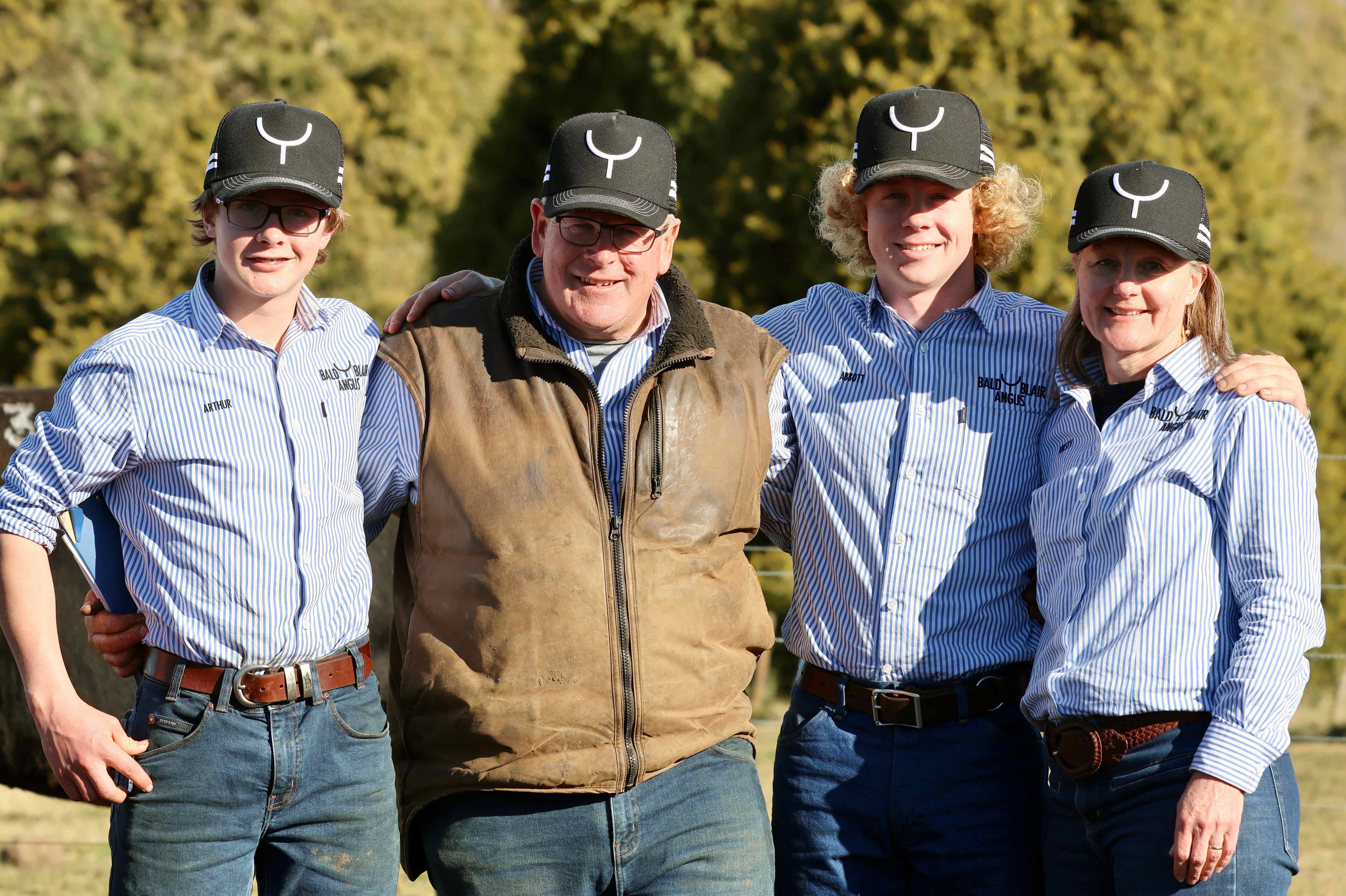
怀特一家,从左至右:亚瑟、萨姆、阿博特和克尔斯蒂。图片来源:Monika Pearce, Studstocksales(图片由克尔斯蒂·怀特提供)。
土壤检测使萨姆能够将载畜量提高约25%,因为他成功避免了因过度放牧而导致的牧场退化。
土壤检测策略
萨姆于2016年开始与Precision Pastures公司的农学家米尔顿·柯克帕特里克合作,充分利用他的专业技能。
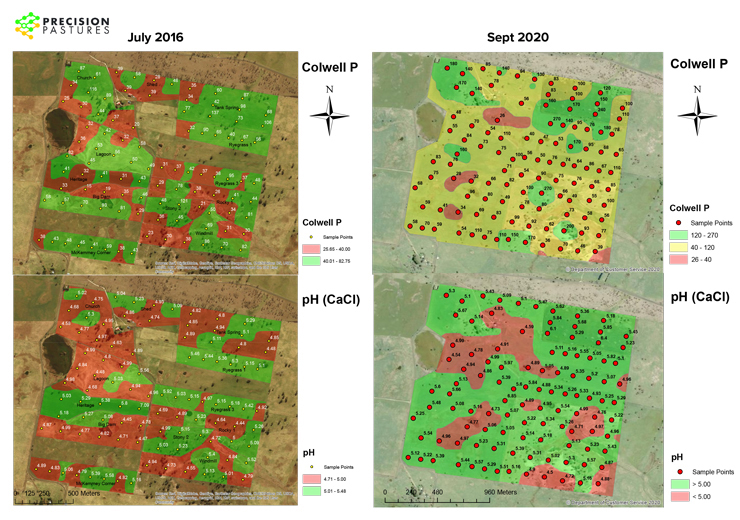
“我们通常会在春季对牧场每隔200平方米进行网格取样,以制定未来1-3年的管理计划(化肥、石膏和石灰)。然后我们使用变量施肥技术,在不同区域精确施加所需用量。”
“Precision Pastures帮助我解读了土壤检测结果,我可以告诉他们我的生产目标,他们会解读这些需求,并确定我们需要补充哪些养分和土壤改良剂来实现这些目标。”
“我们每三年检测一次,以了解我们的策略带来的变化。例如,在干旱期间,我们实际使用的养分没有预期的多(因为牲畜数量减少),所以我们也不需要施用那么多化肥。”
“土壤检测能让你的钱花在刀刃上,避免浪费,只在需要养分的地方投入资金购买化肥、石灰或石膏。”
出人意料的结果
萨姆从土壤检测中发现最令人惊讶的是整个牧场土壤养分的差异性。
“令我惊讶的是不同地块之间土壤养分水平的差异,一块地所需的肥料与紧邻的另一块地完全不同,”萨姆说。
“肉眼你可能会看到牧场的一些细微差别,但土壤检测的数据为你制定土壤管理策略提供了可靠的依据。”
收获长期效益
萨姆真正看到土壤检测价值的地方在于其长期效益,即维持健康的载畜量和优化生产。
“我们采用轮牧制度,因此牲畜在不断移动。植物健康因此极为重要,而我们发现,在这种制度下,植物非常健康。”
“通过施用正确的养分,牧场草种的韧性和健康水平得以提高,这意味着它们在放牧后能快速恢复,而且我们也能以更良好的状态走出干旱。”
提高载畜量
“土壤检测最终使我们的载畜量提高了约25%,因为我们成功避免了因过度放牧而导致的牧场退化。
“通过更精细的管理,我们能够放养更多的牲畜,从我们的牧场资产中获得更好的投资回报。
“土壤检测就像一张处方——它能衡量你当前的状况,让你知道牲畜从土壤中带走了哪些养分,然后你可以相应地进行补充。”
“例如,我们想在某个地块放养这么多牲畜,那么我们就需要确保有足够的牧草生长来满足我们想要的载畜水平。”
控制生产成本
萨姆认为,土壤检测帮助他专注于控制生产成本,这一点如今比以往任何时候都更加重要。
“投入成本持续上升,而我们的商品价格——尽管目前非常强劲——并不总是与生产成本保持同步增长。”
“我们的最终目标是提高生产效率,优化牧场的生产能力。”
“土壤检测让你能够优化你的资产。仅仅是牧场利用率提高10%这样一项重大改进,就会对盈利水平和你的最终收益产生倍增效应。”
“牧场利用率是你能够控制的、会对你的畜牧企业产生重大影响的因素之一。”
“这是非常强大的工具。所以答案就是:进行土壤检测、检测、再检测——并记录下每一次的变化。”
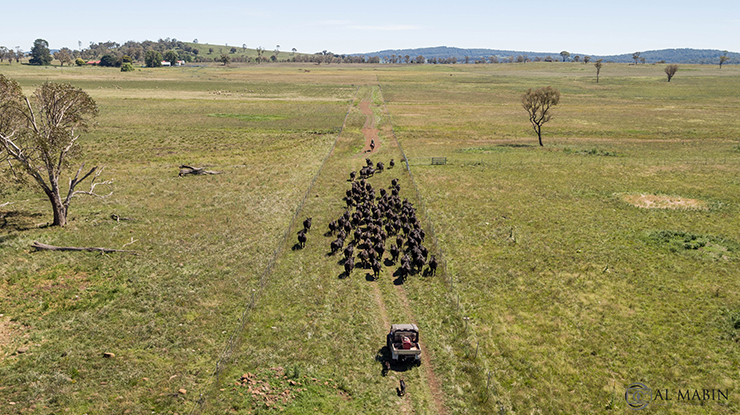
图片来源:Al Mabin
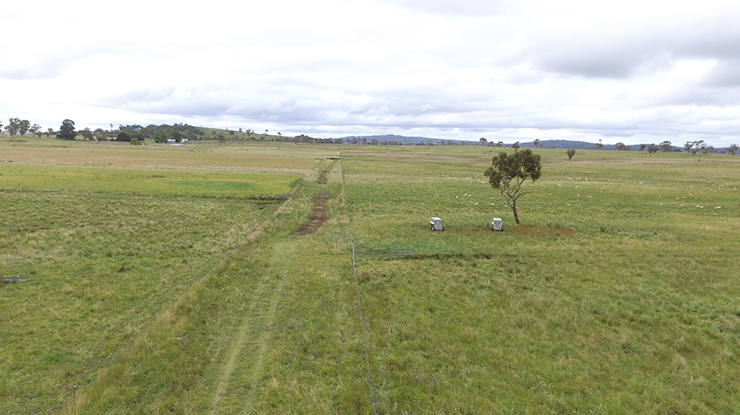
图片来源:Al Mabin
农场快照
姓名: 克尔斯蒂·怀特和萨姆·怀特,Bald Blair Pastoral Co
地点: 四处牧场:Bald Blair(位于盖拉以东10公里,主地块);Kolora(位于Bald Blair以东7公里);Gatwood(位于Bald Blair以东25公里);Aberfoyle Farm(位于Bald Blair以东35公里)
面积(公顷): Bald Blair:1307公顷;Kolora:263公顷;Gatwood:450公顷;Aberfoyle:263公顷
经营类型: 安格斯牛种牛群,辅以安格斯商品牛群
牲畜数量: 种母牛:350头;商品母牛:150头;种公牛:120头;绵羊:750只母羊(因干旱管理策略,存栏量下降40%)
牧场类型: 多年生混播草种,包括羊茅、梯牧草、车前草、菊苣、黑麦草、红三叶草和白三叶草
土壤类型: 主要为玄武岩土壤
降雨量: 850毫米
消息来源:MLA
The right stocking rate starts with a soil test
Sam and Kirsty White operate Bald Blair Pastoral Co, an Angus cattle seedstock herd backed by their own commercial Angus cattle herd. Consisting of four properties in the Northern Tablelands of NSW, Sam is a seasoned soil tester and has been soil testing every year for almost 30 years on his Bald Blair and more recently purchased Kolora property.
“I started soil testing primarily to find out what nutrient deficiencies existed in our soils so I could manage them accordingly with fertiliser,” Sam said.
The White family from left to right: Arthur, Sam, Abbott and Kirsty. Image credit: Monika Pearce, Studstocksales (image supplied by Kirsty White).
Soil testing has allowed Sam to boost his carrying capacity by approximately 25% because he has managed to avoid any level of degradation of pastures caused by overstocking.
Soil testing strategy
Sam started working with agronomist, Milton Curkpatrick from Precision Pastures in 2016, making the most of his specialist skillset.
“We conduct grid sampling every 200m2 across the property, usually in spring, to devise management plans (fertiliser, gypsum and lime) for the coming 1–3 years. We then use variable rate technology to apply exactly what we need in different areas.
“Precision Pastures have helped me interpret our soil test results and I can say to them – these are my production goals, they interpret those needs and identify what nutrients and soil amendments we need address to achieve them.
“We test every three years to see how things have changed in relation to our strategy. For example, during the drought, we didn’t use as many nutrients as we thought (due to low livestock numbers), so we didn’t need to apply as much fertiliser.
“Soil testing allows you to get the best bang for your buck, so you're not wasting money and only spending money on fertiliser, lime or gypsum where the nutrients are needed.”
Surprising results
What Sam found most surprising from conducting soil tests is the variation of soil nutrients across the whole property.
“I was surprised at the level of variation in soil nutrients across paddocks, what one paddock required in fertiliser was completely different to the paddock right beside it,” Sam said.
“Visually you might see subtle differences in your pastures but the data from the soil tests gives you solid evidence to base your soil management strategy on.”
Lapping up the long term benefits
It’s the longer term benefits where Sam has really seen the value in soil testing by maintaining a healthy carrying capacity and optimising production.
“We operate a rotational grazing system so we’re constantly moving stock. Plant health is therefore extremely important, and what we find is the plant health under this system is very healthy.
“By applying the correct nutrients, the resilience and health in pasture species means they recover quickly after grazing periods and we also came out of the drought in much better shape.
Boosting carrying capacity
“Soil testing has ultimately lead to boosting our carrying capacity by approximately 25% because we’ve managed to avoid any level of degradation of pastures caused by overstocking.
“With higher management, we're able to put more stock on and get a better return on investment from our property asset.
“Soil testing is like a prescription – it's a measure of where you're at, you know which nutrients the livestock are taking out of the soil and you can replace them accordingly.
“For example, we want to put this amount of stock in one paddock so we need to make sure there is enough plant growth to manage the stock levels that we want.
Controlling the cost of production
Sam believes soil testing has helped him focus and control the cost of production, which is now more important than ever.
“The cost of inputs continues to rise and our commodity prices – while very buoyant right now – are not always rising at the same rate as the costs of production.
“Ultimately we're trying to get productive efficiency gains and optimise the production of our properties.
“Soil testing allows you optimise your assets. A single big improvement like a 10% improvement in pasture utilisation has a multiplying effect on the level of profitability, on your bottom line.
“Pasture utilisation is one of the things you can control that will make a big difference to your livestock enterprise.
“It’s pretty powerful stuff. So the answer is soil test, soil test and keep soil testing – and keep a record of change.”
Image credit: Al Mabin
Image credit: Al Mabin
On-farm snapshot
Names: Kirsty and Sam White, Bald Blair Pastoral Co
Location: Four properties: Bald Blair 10km east of Guyra (main block); Kolora 7km east of Bald Blair; Gatwood 25km east of Bald Blair; Aberfoyle Farm 35 km east of Bald Blair
Area in hectares: Bald Blair: 1307ha; Kolora: 263ha; Gatwood: 450ha; Aberfoyle: 263ha
Enterprise: Angus cattle seedstock backed by a commercial Angus cattle herd
Livestock: Stud cows: 350 head; Commercial cows: 150 head; Stud bulls: 120 head; Sheep: 750 ewes (Stock numbers down 40% due to drought management strategy)
Pastures: Perennial mix of fescue, phalaris, plantain, chicory, ryegrass, red and white clovers
Soils: Predominately basalt soils
Rainfall: 850mm
Source:MLA

