

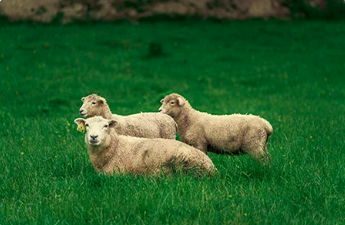
长期以来,利用初产母羊(母羊羔)配种被视为提高羊群生产力的机遇,但成功与否,关键在于从一开始就做好管理。
一项由澳大利亚肉类及畜牧业协会(MLA)资助、通过“初产母羊产羔增量”生产者示范项目进行的研究显示,若初产母羊准备充分、管理得当,生产者便可在提高母羊和羔羊存活率的同时,实现优异的繁殖性能。
该项目已在维多利亚州西部、新南威尔士州南部和南澳大利亚州东南部开展了为期六年的示范,旨在展示最佳管理实践如何提高初产母羊的受孕率、羔羊存活率及其在头两年生产周期中的表现。
据该项目协调人杰森·特罗姆普夫博士介绍,改善初产母羊的生产表现对当前澳大利亚绵羊产业意义重大。
“在全国羊群数量处于百年低点的背景下,让初产母羊在12至15月龄产羔,为生产者提供了一个在不增加基础母羊数量的前提下提高羔羊产量的机会。”
研究表明,初产母羊的羔羊存活率可提升约10-20%。对于怀双羔的母羊群而言,这可以转化为羔羊断奶率20-40%的提升,是一项显著的生产力增长。
为初产母羊的成功繁育奠定基础
该生产者示范项目在九个商业农场中展示了一系列实用管理策略,包括:
达到关键的配种体重目标
在整个孕期维持充足的营养
接种关键繁殖疾病疫苗
缩小产羔群体规模以提高存活率
杰森表示,最佳实践从产羔前很早就要开始。
“成功管理初产母羊的关键在于主动管理而非被动应对”,他说。
当前研究表明,初产母羊在配种时的理想体重应为45公斤或以上,孕期增重约10至15公斤,并在产羔前处理时达到60公斤。
“至关重要的是要早期培育好初产母羊,使其达到合适的配种体重,并在孕期持续增重。早期做好这些工作,有助于她成功受孕、产下健康的羔羊,并在下一次配种时有良好的恢复状态。”
产羔管理至关重要
除营养和增重外,产羔管理是项目的另一个关键重点。
初产母羊对产羔条件尤为敏感,研究表明缩小群体规模可显著提高羔羊存活率。
“初产母羊在产羔时需要更多的隐私空间”,杰森说。
“当群体规模减小时,产羔过程中的混乱会减少,母羊与羔羊之间的干扰也会降低。在整个研究工作中,我们发现缩小群体规模能持续改善羔羊的存活率。”
该项目还强调了在孕期监测增重的重要性,以确保初产母羊在支持胎儿生长的同时继续发育。
令人鼓舞的早期成果
在示范点中,采用这些最佳实践方法的生产者已经报告了积极成果。
杰森表示,更好的准备和营养有助于大大减轻初产母羊产羔的压力。
“最近一位生产者告诉我们,在改善管理和达到体重目标后,初产母羊产羔的工作量已大大减少”,他说。
“他们看到了更高的羔羊存活率和更健康的初产母羊,这带来了生产力和动物福利的双重收益。”
该项目还证实,初产母羊计划的成功不仅限于第一次产羔。
“这不仅仅是让它们怀孕”,杰森说。
“成功意味着初产母羊受孕、成功育成羔羊,并在下一次配种时继续表现良好。”
自信的决策
项目结束时,目标是为生产者提供明确的、基于证据的指导,帮助他们决定初产母羊配种是否适合自己的生产体系,以及如何成功实施。
杰森表示,像配种前称重和孕期监测增重这样简单的做法,就能带来显著改变。
“如果有一件事我们希望更多生产者去做,那就是给初产母羊称重”,他说。
“当生产者对动物进行称重并跟踪其进展时,他们就能做出更好的决策,决定哪些初产母羊可以配种,以及孕期如何管理它们。”
有了正确的准备,初产母羊可以成为羊群生产力的宝贵贡献者。
“管理得当的话,初产母羊可以产出更多羔羊、加快遗传进展并有助于重建羊群数量”,杰森说。
“关键在于让它们做好准备,给它们最好的成功机会。”
成功三部曲
1. 达到配种体重目标
目标是让初产母羊在配种时达到至少45公斤,以支持受孕和羔羊存活率。
2. 保持孕期稳定增重
规划营养,使初产母羊在孕期增重约10至15公斤,确保它们在产羔时达到足够的体重。
3. 缩小产羔群体规模
缩小群体规模可通过减少干扰、为初产母羊提供更大的产羔隐私来帮助提高羔羊存活率。
消息来源:MLA
Tips, targets and tools for more lambs from ewe lambs
Joining ewe lambs has long been recognised as an opportunity to increase flock productivity, but success relies on getting the management right from the outset.
New work through the ‘More lambs from ewe lambs’ MLA Producer Demonstration Site (PDS) shows when ewe lambs are prepared and managed well, producers can achieve strong reproductive performance while improving both ewe and lamb survival.
The six-year PDS across western Victoria, southern NSW and south-east South Australia is demonstrating how best-practice management can lift conception rates, lamb survival and re-joining performance during a ewe’s first two years of life.
According to PDS facilitator Dr Jason Trompf, improving outcomes from ewe lambs represents a major opportunity for the Australian sheep industry.
“With the national flock at a 100-year low, joining ewe lambs to lamb at 12–15 months provides producers with an opportunity to increase the number of lambs produced from their existing ewe base,” he said.
“Research has shown lamb survival from ewe lambs can be improved by around 10–20%. In twin-bearing mobs, that can translate to a 20–40% lift in marking rates, which is a significant productivity gain.”
Setting ewe lambs up for success
The PDS is demonstrating a range of practical management strategies across nine commercial farms, including:
meeting critical joining weight targets
maintaining nutrition throughout pregnancy
vaccinating for key reproductive diseases
reducing lambing mob sizes to support survival outcomes.
Jason said best practice starts well before lambing.
“Managing ewe lambs successfully is about proactive rather than reactive management,” he said.
Current research suggests ewe lambs should ideally weigh around 45kg or more at joining, then gain approximately 10–15kg during pregnancy, reaching 60kg by pre-lambing treatments.
“It’s critical to develop the ewe lamb early so she reaches an appropriate joining weight and continues to grow during pregnancy. Doing the hard work early sets her up to get pregnant, deliver a viable lamb and recover well enough to perform again at the next joining.”
Lambing management makes a difference
Alongside nutrition and growth, lambing management is another key focus of the project.
Ewe lambs can be particularly sensitive to lambing conditions, with research showing smaller mob sizes can significantly improve survival outcomes.
“Ewe lambs benefit from greater privacy at lambing,” Jason said.
“When mob sizes are reduced, there’s less confusion around lambing events and fewer disruptions between ewes and their lambs. Across the research work, we’ve seen consistent improvements in lamb survival when mob sizes are smaller.”
The project is also highlighting the importance of monitoring growth during pregnancy to ensure ewe lambs continue developing while supporting the growing foetus.
Encouraging early results
Across the demonstration sites, producers adopting these best-practice approaches are already reporting positive results.
Jason said better preparation and nutrition are helping take much of the stress out of ewe-lamb lambing.
“One producer recently told us that after improving management and meeting weight targets, lambing ewe lambs has become far less demanding,” he said.
“They’re seeing stronger lamb survival and healthier ewe lambs, which is delivering both productivity and welfare benefits.”
The project is also reinforcing that the success of ewe-lamb programs extends beyond the first lambing.
“It’s not just about getting them pregnant,” Jason said.
“Success means the ewe lamb conceives, successfully rears a lamb and then goes on to perform well at her next joining.”
Confident decisions
By the end of the project, the aim is to give producers clear evidence-based guidance to help them decide whether joining ewe lambs suits their system, and how to do it successfully.
Jason said simple practices such as weighing ewe lambs before joining and monitoring growth during pregnancy can make a major difference.
“If there’s one thing we’d like to see more producers doing, it’s measuring their ewe lambs,” he said.
“When producers weigh animals and track their progress, they can make better decisions about which ewe lambs to join and how to manage them during pregnancy.”
With the right preparation, ewe lambs can become a valuable contributor to flock productivity.
“When managed well, ewe lambs can deliver more lambs, improve genetic progress and help rebuild flock numbers,” Jason said.
“It’s about setting them up properly and giving them the best chance to succeed.”
Three steps for success
1. Hit joining weight targets
Aim for ewe lambs to reach at least 45kg at joining to support conception and lamb survival outcomes.
2. Maintain steady pregnancy growth
Plan nutrition so ewe lambs gain around 10–15kg during pregnancy, ensuring they reach adequate weight by lambing.
3. Reduce lambing mob sizes
Smaller mobs can help improve lamb survival by reducing disruption and allowing ewe lambs greater privacy at lambing.
Source:MLA

