

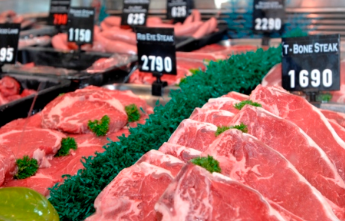
尽管贸易摩擦持续不断、相关政策不断变动,但支撑美国市场对澳大利亚红肉需求的底层基本面依旧十分强劲。
在澳大利亚肉类及畜牧业协会的《实地观察》播客节目中,该协会北美区域经理保罗·达席尔瓦阐述了美国与加拿大市场依旧能为澳大利亚出口商带来重大机遇的原因,同时也介绍了行业针对美国羊肉进口保障措施调查所做出的应对。
贸易动荡之下,基本面依旧向好
美国贸易政策变动频频登上新闻头条,但美国消费者与企业的实际日常经营状况,远比新闻报道呈现的要稳定。
关税与市场准入问题依旧备受关注,不过牛肉并未被纳入近期关税措施范围,这也体现出进口牛肉在满足美国国内需求方面的关键作用。
“市场始终需要稳定可靠的牛肉供应。”保罗表示。
北美本土牛肉供给持续偏紧,澳大利亚牛肉持续填补着重要的市场缺口。红肉在美国饮食文化中根深蒂固,即便面临整体生活成本上涨的压力,消费者依旧追求高品质的蛋白质来源。
“基本面依旧十分稳固。美国人喜爱食用红肉,红肉已经深度融入他们的生活方式。”保罗说道。
羊肉保障措施调查进程加快
美国国际贸易委员会发起的羊肉进口保障措施调查,是澳大利亚羊肉行业重点关注事项。
美国是澳大利亚最大的羊肉出口市场,整条供应链都在密切关注本次调查的结果。
保罗介绍,澳大利亚肉类及畜牧业协会(MLA)此前已针对本次调查做好预案,组建法律、游说及行业支持团队,准备开展全面应诉工作。
协会正与澳大利亚绵羊生产者协会(SPA)、澳大利亚肉类工业理事会(AMIC)以及各行业相关方紧密协作,力求提交最充分有力的抗辩材料。
证据搜集是本次调查的关键环节。协会鼓励掌握相关信息的澳大利亚出口商、养殖户及企业,通过美国国际贸易委员会官方问卷渠道参与调查。
“只有填写问卷,相关信息才能够作为有效证据提交给美国国际贸易委员会。”保罗说道。
除澳大利亚方面的应诉工作之外,MLA还在争取美国进口商、零售商以及餐饮服务商的支持,这些企业的经营离不开稳定的澳大利亚羊肉供应。
其目标是让美国政策制定者直接听到美国本土零售、餐饮企业的声音——这些企业依靠现行贸易机制获得稳定的羊肉货源,以此满足美国消费者的羊肉消费需求。
体量庞大的市场
对于不太了解美国市场的澳大利亚从业者而言,保罗表示,该市场蕴藏的机遇规模往往超乎想象。
美国肉类市场的年规模约1130亿美元,是全球规模最大、最重要的蛋白消费市场之一。
一些在澳大利亚算得上头部的零售商与餐饮企业,放到美国市场只能算作中小型企业。如此庞大的市场体量,为能够稳定供应高品质产品的澳大利亚出口商创造了大量机会。
“不少澳大利亚人闻所未闻的连锁零售企业,如果放在澳洲算得上大型企业,可在美国本土仅仅属于中小型经营主体。”保罗说。
对澳大利亚出口商来说,巨大的市场意味着在高端、主流以及高性价比产品赛道均存在发展机遇。
蛋白质持续拉动消费者需求
北美市场最突出的一大趋势,就是消费者对蛋白质与营养的关注度持续上升。
消费者愈发追求具备公认健康益处的食品,红肉也成为这一话题的核心。
保罗提到,如今蛋白质相关宣传来自方方面面,包括膳食指南、健康专业人士、网红博主以及各类健康养生潮流。
“消费者到处都能看到和蛋白质相关的信息。”他说。
无论是居家就餐、外出下馆子,还是购买即食预制餐,蛋白质都成为重要选购因素。这一趋势为澳大利亚红肉创造了有利环境,澳大利亚红肉素来被公认为天然、营养丰富的蛋白质来源。
值得注意的是,消费者观念的整体转变正在让红肉从中受益。
“这股发展势头十分强劲,消费者已经充分接收到这一理念。”保罗表示。
红肉不再被置于过往食品品类与饮食偏好的争议视角下看待,正逐步被视作一种天然、值得信赖的营养来源。
加拿大成为重要增长市场
尽管美国占据出口量的大头,但加拿大正迅速成长为澳大利亚红肉愈发重要的市场。
澳大利亚肉类及畜牧业协会近期加大在加拿大的布局,任命常驻多伦多的专职市场开发经理,落地加拿大本土专项项目,夯实加拿大全渠道的合作关系。
此番投入,源于多伦多、蒙特利尔、魁北克、温哥华等主要人口聚集区对澳大利亚牛肉、羊肉以及山羊肉的需求不断上涨。
和美国情况相似,加拿大本土牛肉供应受限,这为寻求稳定优质蛋白货源的进口商带来机遇。
澳大利亚产品高品质、供应稳定可靠的口碑,深受加拿大采购商认可。
《全面与进步跨太平洋伙伴关系协定》(CPTPP)进一步加持澳大利亚的竞争优势,让澳大利亚出口商进入加拿大市场无需缴纳关税,也不受关税配额限制。
“澳大利亚产品十分受欢迎。”保罗着重提到澳加两国之间深厚的文化认同感,“产自澳大利亚这一点,就让消费者十分信赖。”
多重因素叠加,为市场持续增长创造了绝佳条件。
山羊肉:低调崛起的成功品类
尽管牛肉和羊肉常常占据行业讨论的主流,但山羊肉在北美市场依旧交出亮眼成绩单。
去年澳大利亚向北美出口约3万吨山羊肉,山羊肉也成为澳大利亚最重要的出口品类之一。
尤为值得关注的是,据保罗估算,北美消费的山羊肉中约99%都来自澳大利亚。
“这很出人意料,该品类基本是依靠自身力量发展起来的。”他说道。
需求主要来自多元文化族群,山羊肉长期是这类群体的核心蛋白食材,消费场景涵盖家庭烹饪与餐饮门店,多见于以山羊肉为传统菜品的菜系。
该品类也逐步走进主流零售渠道,冷冻山羊肉产品现已登陆各大连锁超市。
山羊肉的消费群体本身已经了解并认可该产品。
因此,未来的增长机遇重点在于完善分销体系、提升产品铺货率、强化澳大利亚货源认知,而非对消费者进行品类普及教育。
展望未来
尽管市场准入难题依旧需要重点应对,尤其是羊肉相关问题,但澳大利亚红肉在北美的整体前景依旧十分乐观。
消费者对蛋白质的旺盛需求、本土供应紧张、加拿大有利的贸易环境,以及澳大利亚可靠供货方的品牌口碑,持续为牛肉、羊肉、山羊肉的增长提供支撑。
对于澳大利亚出口商而言,北美不仅是行业最重要的市场之一,同时也是极具潜力的增长机遇地。
消息来源:MLA
North America maintains appetite for Aussie red meat
The fundamentals underpinning demand for Australian red meat in the United States remain remarkably strong, despite ongoing trade disruption and policy changes.
Speaking on MLA’s On the Ground podcast, MLA Regional Manager for North America, Paul Da Silva, outlined why the US and Canadian markets continue to present significant opportunities for Australian exporters, while also highlighting the industry's response to the US safeguard investigation into lamb imports.
Strong fundamentals despite trade turbulence
Trade policy changes in the United States continue to generate headlines, but the day-to-day reality for American consumers and businesses is far more stable than news coverage might suggest.
While tariffs and market access issues remain an ongoing focus, beef has been exempted from recent tariff measures, reflecting the critical role imported beef plays in meeting US demand.
"The need for a reliable beef supply is constant," Paul said.
With North American beef supplies remaining tight, Australian beef continues to fill an important gap in the market. Red meat remains deeply embedded in American food culture, and consumers continue to seek out high-quality protein sources despite broader cost-of-living pressures.
"The fundamentals are still very strong. Americans love eating red meat and it's such a central part of their way of life,” commented Paul.
Lamb safeguard investigation gathers pace
A major focus for the Australian sheepmeat industry is the safeguard investigation launched by the US International Trade Commission (USITC) into lamb imports.
As Australia's largest lamb export market, the outcomes of the investigation are being closely watched across the supply chain.
Paul explained that MLA has been preparing for the possibility of an investigation for some time and has assembled legal, advocacy and industry support to help mount a comprehensive response.
MLA is working closely with Sheep Producers Australia (SPA), the Australian Meat Industry Council (AMIC) and industry stakeholders to ensure the strongest possible case is presented.
A critical component of the investigation is the evidence-gathering process. Australian exporters, producers and businesses with relevant information are being encouraged to participate through the official USITC questionnaire process.
"The only way that they'll be able to make information available to the ITC in this inquiry that will count as evidence is to complete a questionnaire," Paul said.
Beyond Australia's response, MLA is also gathering support from American importers, retailers and foodservice operators whose businesses rely on consistent access to Australian lamb.
The goal is ensuring US policymakers hear directly from US domestic businesses (across retail and foodservice) that rely on the reliable lamb supply from the current trading arrangements to deliver programs that meet the US consumer demand for lamb.
A market of enormous scale
For Australians less familiar with the US market, Paul says the scale of the opportunity is often difficult to comprehend.
The US meat market is worth approximately US$113 billion annually, making it one of the largest and most important protein markets in the world.
Retailers and foodservice operators that might be considered major players in Australia are often relatively small by US standards. That scale creates significant opportunities for Australian exporters capable of supplying consistent volumes of high-quality product.
"There are retail chains that most Australians would have never heard of that we would consider to be very large in Australia, which are considered kind of small or medium players here in the US," Paul said.
For Australian exporters, the size of the market means there are opportunities across premium, mainstream and value categories.
Protein continues to drive consumer demand
One of the strongest themes emerging from the North American market is growing consumer interest in protein and nutrition.
Consumers are increasingly seeking foods that deliver recognised health benefits, and red meat has found itself at the centre of that conversation.
Paul noted that messaging around protein is now coming from multiple directions, including dietary guidelines, health professionals, influencers and broader wellness trends.
"Consumers are hearing messages from every direction about protein," he said.
Whether dining at home, eating at restaurants or purchasing convenience meals, protein is becoming a key purchasing consideration. This trend is creating favourable conditions for Australian red meat, which is already widely recognised as a natural, nutrient-dense source of protein.
Importantly, red meat appears to be benefiting from a broader shift in consumer attitudes.
"There is a lot of momentum behind it. Consumers have really picked up on that," Paul said.
Rather than being viewed through the lens of previous debates around food categories and dietary preferences, red meat is increasingly being positioned as a natural and trusted source of nutrition.
Canada emerging as a major growth opportunity
While the US dominates export volumes, Canada is rapidly becoming an increasingly important market for Australian red meat.
MLA has recently expanded its Canadian presence, appointing a dedicated Market Development Manager based in Toronto to deliver Canada specific programs and to strengthen relationships in all channels across the country.
The investment reflects growing demand for Australian beef, lamb and goatmeat across major population centres including Toronto, Montreal, Quebec and Vancouver.
Like the US, Canada's domestic beef supply remains constrained, creating opportunities for importers seeking reliable sources of high-quality protein.
Australia's reputation for quality, consistency and reliability is resonating strongly with Canadian buyers.
Adding to Australia's competitive advantage is the Comprehensive and Progressive Agreement for Trans-Pacific Partnership (CPTPP), which allows Australian exporters to access the Canadian market without tariffs or tariff-rate quotas.
"Australia is very well received," says Paul, highlighting the strong cultural affinity between Australia and Canada. "The fact that product is coming from Australia makes people comfortable."
Combined, those factors are creating ideal conditions for continued market growth.
Goatmeat: the quiet success story
While beef and lamb often dominate industry discussions, goatmeat continues to deliver impressive results in North America.
Australia exported approximately 30,000 tonnes of goatmeat to North America last year, making it one of the country's most significant export categories.
Perhaps most remarkably, Paul estimates that around 99 per cent of the goatmeat consumed in North America originates from Australia.
"It's surprising because it's developed on its own, essentially," he said.
Demand is largely driven by culturally diverse communities where goatmeat has long been a staple protein. Consumption occurs both in-home and through restaurants, particularly within cuisines that traditionally feature goat dishes.
The category is also becoming increasingly accessible through mainstream retail channels, with frozen goat products now appearing in major supermarkets.
Goatmeat consumers already understand and value the product.
As a result, future growth opportunities centre on improving distribution, availability and awareness of Australian supply rather than introducing consumers to the category itself.
Looking ahead
While market access challenges remain a key focus, particularly around lamb, the broader outlook for Australian red meat in North America remains highly positive.
Strong consumer demand for protein, constrained local supply, favourable trade settings in Canada and Australia's reputation as a reliable supplier continue to support growth across beef, lamb and goatmeat.
For Australian exporters, North America remains not only one of the industry's most important markets, but also one of its most promising growth opportunities.
Source:MLA

