

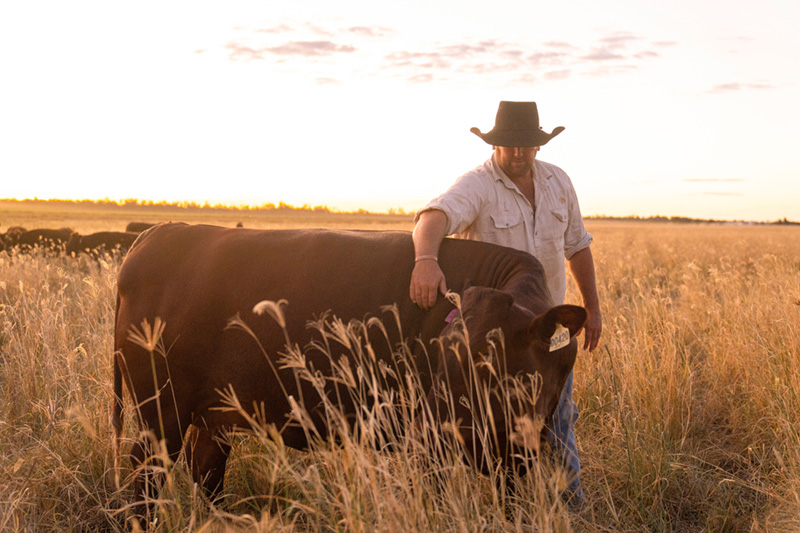
培育无角牛可带来长期效益,能够减少去角操作,并在北部肉牛养殖体系中切实改善动物福利。图片来源:AACo
由澳大利亚肉类与畜牧业协会(MLA)资助、联合澳大利亚农业公司(AACo)开展的项目,正在粗放放牧模式下对动物福利相关举措进行试验。
“牛角与健康”项目注意到,在北部肉牛养殖体系中,母牛大部分活动处于无人监测状态。
母牛每年仅会被集中处置少数几次,不仅很难发现繁殖损耗问题,也给落地动物福利措施带来现实难题。
该项目针对北部养殖户面临的两大长期难题,试验适用于粗放型肉牛养殖场的解决方案:
加大无角基因的应用,减少去角作业需求;
加强繁殖类疾病管控,避免其悄然损耗畜群生产能力。
昆士兰大学家畜医学荣誉教授迈克尔·麦高恩认为,该项目最大的优势在于,试验是在真实商业化生产条件下开展的。
“这类项目意义重大,因为它实现规模化落地,在真实的牧场环境中实施,”迈克尔表示。
“试验并非在科研试验站完成,而是扎根大型商业养殖体系。牛群会在不同草场与牧场间正常转群,所有管理方案都必须具备实操性。”
动物福利的系统化解决方案
尽管该项目包含两个独立研究方向,但二者均旨在改善动物福利,同时保障经营效益。
推广无角牛品种能够减少去角操作,而优化疫病管理则致力于降低繁殖损耗、提升畜群生产力。
迈克尔表示:“去角会产生高昂成本,涉及人工、牛只掉重、死亡、牛体挫伤以及职业健康与安全风险。”
疫病管理模块同样设定了宏大目标。项目计划在澳大利亚农业公司(AACo)各牧场,通过深化对四种核心疫病的认知与管控,将断奶率提升5%,这四种疫病分别为:毛滴虫病、弧菌病、牛病毒性腹泻(瘟疫病毒)以及钩端螺旋体病。
是一场持久战,而非冲刺赛跑
该项目得出的一条重要经验:实现有价值的基因改良需要时间。
澳大利亚农业公司(AACo)数年前启动无角牛繁育计划,长期目标是不再需要给牛只去角。企业并非只筛选无角基因,而是在选育无角性状的同时,兼顾繁殖能力、体型结构以及整体遗传价值。
项目成果十分显著:
澳大利亚农业公司(AACo)米切尔种牛群的无角牛占比,从2017年的55%提升至2021年的100%。
商用公牛群体的无角牛比例,由2022年的70%升至2026年的100%;商品牛后代中的无角个体占比,从约25%增长至70%。
据澳大利亚农业公司(AACo)介绍,使种牛群稳定固化无角性状耗时约五年,大致相当于母牛一个繁育世代。
这一实践印证了迈克尔认为对养殖户至关重要的观点。
他表示:“如果只选育无角基因,却忽视影响繁殖性能的各类因素,改良进度就会放缓。”
“养殖是一套完整体系,不能碎片化处理。”
治理隐性繁殖损耗
无角牛带来的效益显而易见,但繁殖类疫病往往隐匿发生。
昆士兰大学兽医本·伍德介绍,在粗放放牧体系下,养殖户少有机会监测繁育情况,毛滴虫病这类疫病会在不知不觉中持续传播。
“在北部养殖模式中,我们很难频繁观察牛群,无法精准掌握实际状况。”本说道。
“母牛的繁育活动大多处于无人监测状态,因此繁殖损耗这类问题容易被忽视。”
该项目正在为四种主要繁殖疫病制定可落地的检测与管理方案,同时研究可实现现场快速诊断的技术。
自“牛角与健康”项目启动以来,已在澳大利亚农业公司(AACo)完成近38000次疫病检测。
大规模检测有助于更清晰掌握疫病流行情况,为后续管理决策提供依据。
目前最突出的成果之一,是通过定向检测与淘汰方案控制毛滴虫病。本表示,依靠检测和淘汰措施,部分牛群的该病感染率降幅最高可达75%。
项目同时印证了公牛年龄结构管理的重要性:年龄偏大的公牛更易成为毛滴虫病、弧菌病等繁殖疫病的长期带菌者。
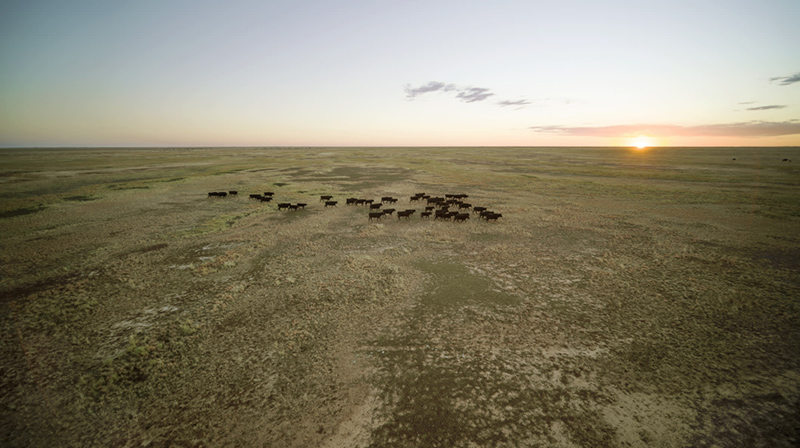
澳大利亚肉类与畜牧业协会(MLA)联合澳大利亚农业公司(AACo)开展的“牛角与健康”项目,为北部粗放型肉牛养殖体系探索可行路径,用以改善动物福利、提升繁殖性能。图片来源:AACo。
推动技术落地应用
在迈克尔看来,疫病防控与基因改良背后的科学只是难题的一部分。
“还必须争取从业者的认同与配合。”他说道。
“人们往往低估了大规模推行这类项目的复杂程度。”
在大型粗放养殖体系中,做到牛群集中检疫干净管控、管控公牛流转、规范疫苗操作、保存完整准确记录,每一项都颇具挑战。
出于对实操落地的考量,该项目周期已延长至2028年。
研究人员将持续跟踪牛群生产表现,优化管理建议,收集疫病下降带来生产效益提升的实证依据。
除牧场实地研究之外,项目重点为行业搭建可落地的推广路径。
借助田间开放日、专题研讨会、线上资料以及养殖户示范活动,项目致力于为北部粗放牧场从业者提供方法工具,帮助他们有信心在自家牛场落地繁殖疫病管控方案以及无角牛选育策略。
提升畜群生产力的四大举措
尽管在粗放养殖体系中存在一定难度,但可通过四项实操举措实现疫病防控与基因改良:
做好牛群集中归群的洁净管控
管控公牛流转调动
规范疫苗操作管理
留存完整准确的养殖档案
微小调整,为AACo创造显著收益
由澳大利亚肉类与畜牧业协会(MLA)支持的“牛角与健康”项目,助力澳大利亚农业公司(AACo)探索可行路径:通过选育无角牛,以及实施针对繁殖疫病的畜群健康方案,改善动物福利。
对于AACo牧场经理玛丽·沃恩而言,该项目最令人欣喜的成果,每次在牛只进入围栏圈舍时都能直观看到。
“现在放眼围栏内的牛群,约70%都是无角牛,这太不可思议了。”她说。
尽管项目设定的长期目标宏大,但效益已经在牧场落地显现。
项目的实施规模,与企业自身的经营体量相匹配。AACo在昆士兰州与北领地拥有多处牧场,因此任何新方案都必须能够适应多样的气候条件、生产体系与管理环境。
牧场经理和技术人员是方案落地的核心力量。
北领地安东尼泻湖牧场、伊娃唐斯牧场负责人玛丽,以及昆士兰州中部威拉牧场的技术专员斯泰西·默里,正是将项目研究成果付诸实践、在商业化生产条件下验证有效方案的两名从业者。
选育无角性状,免除去角作业
玛丽从事北部肉牛生产行业二十余年,亲身经历过牛只去角带来的各类难题。
“过去经常出现去角操作不当,并由此造成各类损伤。”她表示。
“一旦操作不到位,牛只生长会受到很大拖累。”
除动物福利问题之外,去角工作还会增加圈舍工作人员的人工、牛只处置压力以及安全风险。
对澳大利亚农业公司(AACo)而言,提高牛群无角个体占比,既能减轻上述负面影响,又可以维持生产水平。
但玛丽提到,项目团队并未一味只盯着无角基因。
“我们十分注重,不能一味选育无角性状而牺牲公牛的综合品质。”她说。
“挑选公牛讲究综合条件,不会仅仅因为它是无角牛就直接选用。”
这种兼顾平衡的选育思路如今已经收获回报,无角基因在整个牛群中的占比持续提升。
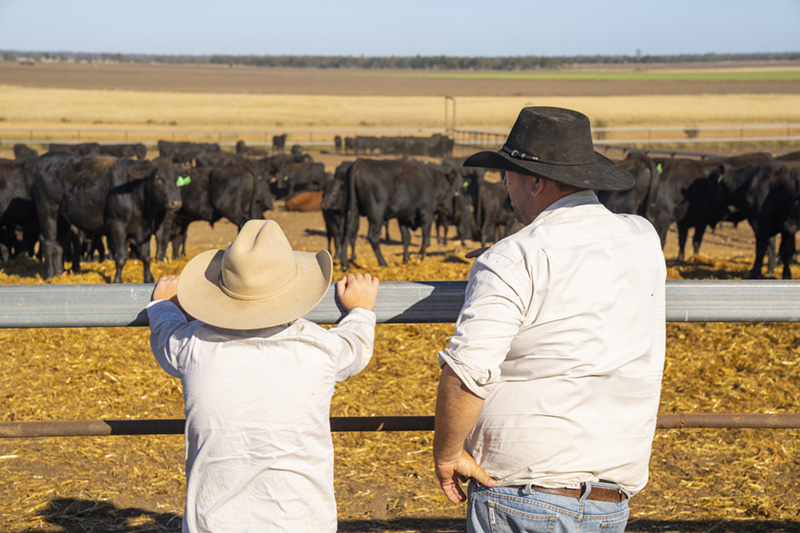
向无角牛转型,助力澳大利亚农业公司(AACo)改善动物福利,同时提升生产效率、人工效能,让牛只处置作业更安全。图片来源:AACo。
微小调整,收获实效
尽管最初目标只是减少去角作业,但衍生效益超出预期。
玛丽表示,有角牛数量减少,牛只处置耗时随之降低,牛只在圈舍应激减少,人畜安全风险双双下降,牛只掉重情况也有所改善。
在威拉牧场,斯泰西也观察到同样的利好。
“最显著的好处无疑是不再需要进行去角操作。”斯泰西说道。
她提到,减少有角牛还能提升打烙印环节的作业效率。
“完成去角工序,至少要额外投入两个人工。”她介绍。
“倘若实现牛群全部无角,我们将获得可观的效率提升。”
健康与生产力相辅相成
在开展基因选育工作的同时,该项目也通过优化免疫方案与繁殖疫病管理,助力提升畜群健康水平。
斯泰西表示,她的团队收获最重要的经验之一,就是见识到完善的免疫程序对畜群健康带来的益处。
例如,针对牛呼吸道疾病(BRD)的疫苗接种效果显著。
“接种牛呼吸道疾病疫苗后,我们发现断奶时出现肺炎症状的犊牛明显减少。”斯泰西说。
“这给威拉牧场带来了巨大改善。”
她同时认为,免疫方案也助力整个牛群实现良好的繁殖性能。
惠及全行业
虽然该项目在澳大利亚农业公司(AACo)旗下各牧场落地实施,但两位牧场经理均认为,项目经验的价值远不止局限于这一家企业。
在玛丽看来,核心启示是:当应用于大规模牛群时,即便小幅提升,也能产生可观成效。
“生产效益实实在在。”她说道。
“或许仅有1‑2%的提升,但对于一万头规模的牛群来说,收益已经足够,投入完全可以回本。”
斯泰西对此表示认同。
“所有养殖户都可以立刻着手审视自身的牛群健康管理。”她表示。
“健康管理是养殖户很容易就能取得成效的领域。”
无角性状选育的五大步骤
1. 基因改良耗时长,但进展可量化
牛群向无角品系转型并非一蹴而就。澳大利亚农业公司(AACo)的实践表明,应当坚持长期思路,同时兼顾繁殖力、体型结构以及综合遗传价值等其他关键生产性状。
2. 动物福利与生产力相辅相成
减少去角作业不仅能显著改善动物福利,还可以提升人工效率、作业安全性,缩短牛只处置时间,最大限度降低因牛只处理带来的生产损失。
3. 畜群健康方案效益不止于疫病预防
完善的免疫程序助力牛群更加健康,改善犊牛体质,保障优良繁殖表现,充分体现畜群预防性健康管理的价值。
4. 规模化条件下,小幅改善即可带来可观回报
在北部大型牛场中,动物健康、繁殖性能或人工效率即便只是小幅提升,也能为企业带来显著的生产与经济效益。
5. 实操落地是成功的关键
效果最好的福利举措,应当适配现有管理体系。成功取决于制定实操方案,便于工作人员在商业化生产条件下持续落地执行。
季节性执行方案
核查去角比例
评估本场新增牛群中有角牛占比,挖掘加大无角基因应用的可行空间。
评估免疫程序
联合兽医,确保种牛与后备牛的免疫方案覆盖主要繁殖类与生产类疫病。
重视公牛品质与管理
选育公牛除考量无角性状外,还需综合评估整体生产性能、繁殖力及健康性状。
消息来源:MLA
Boost productivity by tackling hidden herd losses
Breeding for poll is delivering long-term benefits by reducing the need for dehorning and supporting practical animal wellbeing outcomes in northern beef systems. Image credit: AACo
An MLA-supported project, in partnership with the Australian Agricultural Company (AACo) is testing animal wellbeing practices under extensive grazing conditions.
The ‘Horns and Health’ project takes into account how, in northern beef systems, cows do much of their work unobserved.
They may only be handled a handful of times each year, making it difficult to detect reproductive losses while also presenting practical challenges for implementing animal wellbeing initiatives.
The project testing solutions that work in extensive beef businesses by tackling two longstanding challenges facing northern producers:
Reducing the need for dehorning through increased use of polled genetics, and
Improving the management of reproductive diseases that can quietly erode herd productivity.
For Michael McGowan, Professor Emeritus Livestock Medicine at The University of Queensland (UQ), the project's greatest strength is that it is being tested under real commercial conditions.
"These kinds of projects are really important because they're being done at scale, in the actual rangeland environment," Michael said.
"It's not a research station. It's working within a large commercial system where cattle are routinely moved between paddocks and properties, and management decisions have to be practical."
A systems approach to animal wellbeing
While the project has two distinct focus areas, both are aimed at improving animal wellbeing while supporting business performance.
The move towards polled cattle reduces the need for dehorning, while improved disease management seeks to reduce reproductive losses and lift herd productivity.
"There are enormous costs associated with dehorning: labour, weight loss, mortalities, bruising and occupational health and safety risks," Michael said.
The disease management component has an equally ambitious target. Across AACo's operations, the project aims to increase weaning rates by 5% through improved understanding and management of four key diseases: trichomoniasis, vibriosis, pestivirus and leptospirosis.
A marathon, not a sprint
One of the clearest lessons emerging from the project is that meaningful genetic change takes time.
AACo began its poll breeding program several years ago with the long-term goal of eliminating the need for dehorning. Rather than selecting solely for the poll gene, the business focused on maintaining fertility, structure and overall genetic merit alongside poll status.
The results have been significant:
The proportion of polled animals in AACo's Mitchell stud herd increased from 55% in 2017 to 100% by 2021.
Commercial bull teams have also progressed from 70% polled in 2022 to 100% polled in 2026, while the proportion of polled commercial progeny has increased from ~25% to 70%.
According to AACo, fixing poll in the stud herd took approximately five years, or around one female generation.
The experience reinforces a message Michael believes is critical for producers.
"If you only select for poll genetics but don't address factors affecting reproductive performance, your progress will be slower," he said.
"You're managing a system – it can't be piecemeal."
Tackling hidden reproductive losses
While the benefits of polled cattle are easy to see, reproductive diseases often operate below the surface.
UQ veterinarian Ben Wood said diseases such as trichomoniasis can persist unnoticed in extensive systems, where producers have limited opportunities to observe breeding performance.
"In northern systems, we simply don't see the animals often enough to know exactly what's happening," Ben said.
"Cows are doing their job largely unobserved, so issues like reproductive loss can go undetected."
The project is helping establish practical testing and management protocols for the four key reproductive diseases, while also investigating technologies that could allow faster diagnosis in the field.
Almost 38,000 disease tests have already been completed across AACo since the start of the Horns and Health project.
Testing at this scale has helped build a clearer picture of disease prevalence and informs future management decisions.
One of the strongest results to date has been the reduction of trichomoniasis through targeted testing and culling programs. Ben said through testing and culling, they have achieved up to 75% reduction in some herds.
The project has also reinforced the importance of bull age structure, with older bulls more likely to become long-term carriers of reproductive diseases such as trichomoniasis and vibriosis.
The MLA/AACo ‘Horns and health’ project is helping develop practical pathways to improve animal wellbeing and reproductive performance in extensive northern beef production systems. Image credit: AACo.
Making adoption practical
For Michael, the science behind disease control and genetic improvement is only part of the challenge.
"You have to get the ‘two-legged animal’ on side," he said.
"People underestimate the complexity of implementing these programs at scale."
Maintaining clean musters, controlling bull movements, handling vaccines correctly and maintaining accurate records all are challenging in large, extensive production systems.
This practicality is one of the reasons the project has been extended through to 2028.
Researchers are continuing to monitor herd performance, refine management recommendations and build evidence around the productivity benefits of reducing disease prevalence.
Beyond the on-farm research, the project is focused on building practical adoption pathways for industry.
Through field days, workshops, online resources and producer demonstration activities, the project aims to provide producers with the tools and confidence to implement both reproductive disease management programs and polled breeding strategies in their own herds in extensive operations in the north.
Four steps to more productive herds
While it can be challenging in extensive productions systems, there are four practical steps to achieve disease control and genetic improvement:
Maintain clean musters
Control bull movements
Handle vaccines correctly
Keep accurate animal husbandry records.
How small changes deliver big gains for AACo
The MLA-supported Horns and Health project is helping the Australian Agricultural Company (AACo) demonstrate practical pathways to improve animal wellbeing through both the transition to polled cattle and the implementation of herd health strategies targeting reproductive disease.
For AACo Station Manager Mary Vaughan, one of the most rewarding outcomes of the project is visible every time cattle come through the yards.
“Now you look across a yard full of cattle and about 70% of them are polled – that’s unreal,” she said.
While the long-term goals of the project are ambitious, the benefits are already being seen on the ground.
The scale of the project reflects the scale of the business itself. AACo operates across a network of properties spanning Queensland and the Northern Territory, meaning any new practice must work under a range of seasonal conditions, production systems and management environments.
Station managers and technical staff are central to that process.
Mary, who manages ‘Anthony Lagoon’ and ‘Eva Downs’ in the NT, and Stacey Murray, Technical Officer at ‘Wylarah’ in Central Queensland, are two of the people helping put the project's learnings into practice and demonstrating what works under commercial conditions.
Breeding out the need for dehorning
Mary has spent more than two decades working in northern beef production and has seen first-hand the challenges associated with dehorning cattle.
“We saw a lot of incorrect dehorning and the damage associated with that,” she said.
“It takes cattle back a long way if you’re not doing it properly.”
Beyond animal welfare, dehorning also creates additional labour, handling and safety challenges for staff working in the yards.
For AACo, increasing the number of polled animals in the herd offered an opportunity to reduce those impacts while maintaining productivity.
However, Mary said the project team was careful not to focus solely on the poll gene.
“We were really focused on not losing the integrity of our bulls just to be selecting for the poll gene all the time,” she said.
“We made sure we were selecting the right bulls, not just because they were polled.”
This balanced approach is now paying dividends, with polled genetics becoming increasingly common throughout the herd.
Transitioning to polled cattle is helping AACo improve animal wellbeing while supporting productivity, labour efficiency and safer livestock handling. Image credit: AACo.
Small changes deliver practical benefits
While reducing the need for dehorning was the original goal, the flow-on benefits have been broader than expected.
Mary said fewer horned cattle means less time spent processing animals, reduced stress through the yards, fewer safety risks for both cattle and people, and less weight loss in stock.
At Wylarah, Stacey has observed similar benefits.
“The biggest benefit would obviously be eliminating the need to dehorn,” Stacey said.
She said reducing the number of horned cattle also improves processing efficiency during branding.
“It takes at least two extra labour units for us to do the dehorning process,” she said.
“There’s a lot of efficiencies there that we would gain by having a totally polled herd.”
Health and productivity go hand-in-hand
Alongside the genetics work, the project is also helping strengthen herd health through improved vaccination programs and reproductive disease management.
Stacey said one of the biggest learnings for her team has been seeing the benefits of comprehensive vaccination protocols in terms of herd health.
For example, vaccinating for bovine respiratory disease (BRD) has a clear benefit.
“With the BRD vaccines, we haven’t noticed a lot more of the calves coming in with those pneumonia symptoms at weaning,” Stacey said.
“That’s been a massive uplift for us here at Wylarah.”
She also believes vaccination programs contribute to the strong fertility performance being achieved across the herd.
Benefits for whole industry
While the project is being delivered across AACo properties, both station managers believe the learnings have value well beyond a single business.
For Mary, the message is that even small gains can have a meaningful impact when applied across large herds.
“The production benefits are there,” she said.
“It might only be 1-2% but if it’s across a herd of 10,000 head, it’s enough. It pays for itself.”
Stacey agrees.
“Anyone can start looking at their herd health straight away,” she said.
“That health piece is a really easy win for producers.”
Five steps for polled progress
1. Genetic change takes time, but progress is measurable
Transitioning to a polled herd doesn't happen overnight. AACo's experience highlights the importance of taking a long-term approach, while maintaining focus on other important production traits such as fertility, structure and overall genetic merit.
2. Animal wellbeing and productivity go hand in hand
Reducing the need for dehorning delivers obvious welfare benefits, but it can also improve labour efficiency, safety, reduce handling time and minimise production setbacks associated with processing cattle.
3. Herd health programs deliver benefits beyond disease prevention
Comprehensive vaccination programs have supported healthier cattle, improved calf health and strong fertility outcomes, reinforcing the value of preventative herd health management.
4. Small improvements can deliver significant returns at scale
In large northern herds, even modest gains in animal health, reproductive performance or labour efficiency can generate meaningful productivity and economic benefits across the business.
5. Practical implementation is critical to success
The most effective wellbeing initiatives are those that fit within existing management systems. Success depends on developing practical approaches that staff can consistently implement under commercial conditions.
Seasonal action plan
Review dehorning rates
Assess the portion of horned cattle entering your herd and identify opportunities to increase the use of polled genetics.
Evaluate vaccination protocols
Work with your veterinarian to ensure breeder and young stock vaccination programs are targeting key reproductive and production diseases.
Focus on bull quality and management
Select bulls based on overall performance, fertility and health traits alongside poll status.
Source:MLA

