

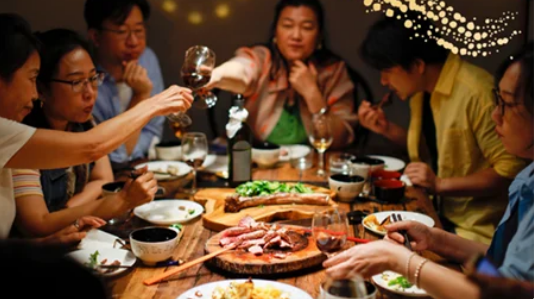
上周,澳大利亚肉类及畜牧业协会(MLA)面向全球消费者开展推广,从国内全科诊所到亚洲普通家庭,全方位提升澳洲红肉市场需求。
本次推广恰逢10月12日至18日的铁营养认知周,营养科普人员引导消费者重新审视自身膳食结构。
MLA食品与营养板块总经理莫妮克·卡申介绍了这场周期短、影响力强的宣传活动背后的策略。
“缺铁依旧是澳大利亚乃至全球最普遍的营养问题之一,年轻女性群体尤为突出。”她表示。
“三分之一的年轻女性铁储备不足,35%女性的瘦红肉食用量低于男性。
“借助铁营养认知周,MLA传播经过科学验证的信息与实用营养建议,推广富含铁元素的餐食搭配,其中包含瘦红肉,助力民众守护健康。”
为达成这一目标,MLA在多个渠道推出系列宣传举措。
携手全科医生
医生经常接诊出现疲劳、乏力症状的女性患者。因此部分宣传项目重点面向全科医生,建立沟通渠道、提供专业建议,树立专业公信力,倡导以膳食优先方案改善铁储备不足问题。
铁营养认知周筹备阶段,MLA联合全科医生媒体平台Ausdoc制作多种宣传素材,附带MLA健康饮食资源链接。
电子通讯宣传效果尤为突出,三分之一的全科医生查阅了相关资料,有助于医生更好地为患者提供膳食指导。
926家全科诊所的屏幕同步播放短视频,向候诊患者推送同类科普内容。
线上曝光推广
线上传播同样重要,如今大量消费者会通过脸书、照片墙和抖音获取营养相关建议。
协会在上述平台发布科普帖文,包含动画与信息图表,帮助消费者了解富铁膳食该如何搭配。
核心宣传内容重点推广瘦红肉,讲解吸收率高的血红素铁与非血红素铁之间的区别。
宣传内容呼应官方膳食指南,建议消费者每周食用3至4份瘦红肉。
走向全球市场
为延续本次宣传热度,MLA国际团队在亚洲、中东重点高端市场投放本土化内容,借力日益兴起的营养健康消费趋势。
韩国卫生机构数据显示,五分之一的中老年女性患有贫血,该国亟需提升民众铁元素摄入量。
健康产业目前是中东北非地区增长最快的市场,当地受众对营养科普信息接受度较高。
本次在社交媒体及其他渠道投放的系列内容,旨在形成长效传播效果,稳固澳洲红肉在健康均衡膳食中的重要地位。
消息来源:MLA
Putting Aussie red meat at the centre of the iron conversation
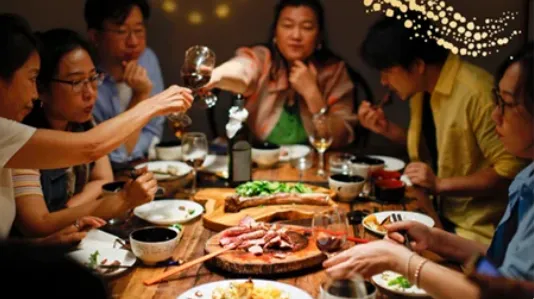
From nationwide medical clinics to everyday households across Asia, MLA connected with global consumers this past week to drive demand for Aussie red meat.
The push coincided with Iron Awareness Week, held from 12–18 October, where nutrition educators asked consumers to reassess their diets.
MLA’s Group Manager for Food and Nutrition, Monique Cashion, explained the strategy behind the short, but impactful campaign.
“Iron deficiency remains one of the most common nutritional concerns in Australia and worldwide, particularly among young women,” she said.
“One in three lack sufficient iron stores and 35% eat less lean red meat than men.
“Through Iron Awareness Week, MLA is spreading evidence-based information and practical nutrition messages to promote iron-rich meal preparation, including lean red meat, to support their health.”
To achieve this, MLA undertook a range of initiatives across various channels.
Working with GPs
Doctors regularly see women presenting with fatigue and low energy, which is why a proportion of the initiatives focused on connecting, advising and building credibility to encourage a food-first strategy for managing low iron stores.
In the lead-up to Iron Awareness Week, MLA worked with the GP media platform Ausdoc to create various assets with links to MLA’s Healthy Eating resources.
An e-newsletter performed particularly well, with 1 in 3 GPs engaging with the resources, suggesting they’re better equipped to advise their patients.
Similar messaging also appeared in short videos played across 926 GP clinic screens, directly reaching patients waiting in reception areas for their appointments.
Online visibility
Online visibility was equally important, with a large proportion of modern-day consumers sourcing their nutritional advice through Facebook, Instagram and TikTok.
A range of informative posts, including animations and infographics, were shared across these platforms to help consumers understand what an iron-rich diet looked like.
Key messages actively promoted lean red meat by highlighting the difference between highly absorbable haem iron and non-haem iron.
The themes reinforced government guidelines advising consumers to eat three to four portions of lean red meat a week.
Going global
To further build on this momentum, MLA's global team rolled out localised content in key, high-value markets across Asia and the Middle East to capitalise on growing nutritional awareness and wellness trends.
Data from Korean health associations found that one in five middle-aged and older women suffer from anaemia and highlighted a need for greater iron intake within the nation.
The wellness industry currently ranks as the fastest-growing market in the MENA region, which suggests a strong receptiveness to nutrition-based messaging.
The range of content shared across social media channels and beyond were expected to leave a lasting impact and ensure Aussie red meat was firmly cemented as an essential part of a healthy, balanced diet.
Source:MLA

