

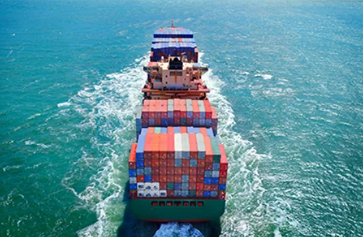
根据澳大利亚肉类与畜牧业协会(MLA)最新发布的行业现状报告,澳大利亚红肉与畜牧产业在2025年对国民经济的贡献进一步提升,行业营收接近1000亿澳元,出口规模创下新高。
这份亮眼成绩的背后,是众多养殖户面临的严峻经营环境。2025年直至2026年,气候条件起伏不定、生产投入成本高企,持续给各个牧场经营带来压力。
《2026年行业现状报告》全面梳理产业运行情况,涵盖产量、贸易、国内消费、经济贡献以及就业等板块。
2024–2025财年,行业营收同比上涨24.5%,达到999亿澳元;产业增加值提升20.1%,至195亿澳元。
澳大利亚肉类与畜牧业协会总经理迈克尔·克劳利表示,该数据反映出市场对澳洲红肉的旺盛需求,以及产业对国民经济的巨大贡献,同时他也留意到整条供应链承受的压力。
“营收逼近千亿澳元,足以证明澳洲红肉畜牧产业对本国经济、对澳洲广大乡镇社区的重要价值。”克劳利说道。
“但同时,我们看待这些亮眼数据时,不能忽略养殖户所处的现实环境:大量企业仍要应对高昂的投入成本、多变的气候以及利润空间承压等难题。
尽管澳洲北部大部分地区气候利好,而南部部分区域条件较为恶劣,但坚挺的活畜价格、旺盛的屠宰加工量,叠加海外市场持续的需求,支撑产业交出这份成绩单。”
进入2026年,地缘冲突、保障措施、关税壁垒以及供应链扰动,进一步推高燃油、化肥等核心农资价格,加剧养殖户以及整条供应链的成本压力。
澳大利亚农业、渔业与林业部长朱莉·柯林斯议员表示,这份报告凸显该产业对于澳洲经济和乡镇社区的重要意义。
“本届政府将一如既往扶持农户与养殖从业者发展,一方面持续开拓更多贸易机会,另一方面提供常态化扶持,稳固国内食品生产根基。”柯林斯部长称。
“困难之下,我们的农户不断调整经营模式、坚持创新,不仅保障国内供给,也向依赖澳洲优质产品的各国稳定供货。
阿尔巴尼斯政府将持续联动行业,提升生产效率、开辟新市场,保障澳大利亚农业长期保持全球竞争力。”
出口情况
2025年澳大利亚红肉及畜牧产品出口额达到创纪录的283亿澳元,较2024年增长27%,较2020年高出72.6%。
澳大利亚依旧是全球第二大牛肉出口国,仅次于巴西,同时保持全球第一大羊肉与山羊肉出口国地位。
受旺盛的国际需求、全球供给偏紧支撑,牛肉出口额上涨33.3%,至187亿澳元;按出口量统计,美国已经成为澳大利亚牛肉与羔羊肉的第一大出口市场。
2025年,澳大利亚出口活牛792087头、活羊334491只,活畜出口合计为红肉及畜牧产品出口贡献约11亿澳元。
克劳利先生表示:“我们拥有覆盖一百余个海外市场的准入渠道,这让行业具备灵活调整的能力,能够在全球环境发生变化时,持续把澳洲红肉输送给最认可它的采购方。”
“在行业应对贸易规则变动、地缘局势不稳、全球供应链波动的过程中,这种市场多元化布局仍将发挥关键作用。”
澳大利亚国内消费
2025年,澳大利亚依旧属于全球红肉消费水平最高的国家之一。
澳大利亚人均牛肉消费量约21.9公斤,而全球平均水平为5.9公斤;人均羊肉消费量约6.5公斤,全球均值仅1.3公斤。
尽管长期来看,人均红肉消费量呈缓慢下行趋势,但近五年消费总量整体保持平稳。
报告同时显示,过去一年,92%的澳大利亚家庭购买过牛肉,72%的家庭采购过羔羊肉。
澳大利亚肉类与畜牧业协会的消费者调研显示,24%的澳洲民众表示在2025年增加了红肉食用量,高于2024年的18%。
行业营收
2024–25财年,澳大利亚红肉与畜牧产业实现营收999亿澳元,同比增长24.5%。
营收上涨得益于全行业活畜价格走高、屠宰加工活跃度提升,但各家企业仍持续承受运营成本与农资成本上涨带来的压力。
肉牛养殖营收增长40.6%,绵羊养殖营收上涨17.3%,育肥场营收增幅达45.4%。
加工板块营收增长23.4%,约为358亿澳元;包含肉牛养殖、绵羊养殖与育肥场在内的生产板块营收494亿澳元,接近行业总营收的一半。
产业增加值提升20.1%,至195亿澳元,体现该产业对澳大利亚整体经济的重要贡献。
该产业还带动约43.28万个直接与间接就业岗位,大约85%的肉类及畜牧行业从业者居住在乡镇与偏远地区。
克劳利表示,上述数据既体现产业的经济价值,也说明维持长期竞争力至关重要。
“市场对澳洲红肉的旺盛需求奠定了良好基础,但养殖户以及整条供应链依旧处在充满变数的艰难环境中。”克劳利说。
“生物安全、地缘冲突、包含保障措施与关税在内的市场准入难题、全球供应链扰动以及投入成本上涨,都会影响未来澳洲红肉的市场竞争力。
持续在生产效率、溯源诚信体系、技术创新、品牌推广和市场准入方面投入,是企业应对压力、保障行业持续为养殖户、乡镇社区以及澳大利亚整体经济创造价值的关键。”
消息来源:MLA
Australian red meat industry remains resilient as exports reach record high
Australia’s red meat and livestock industry strengthened its contribution to the national economy in 2025, with industry turnover approaching $100 billion and exports reaching a new record, according to Meat & Livestock Australia’s (MLA) latest State of the Industry Report.
The results come against a challenging operating environment for many producers, with variable seasonal conditions and elevated input costs continuing to place pressure on individual farm businesses through 2025 and into 2026.
The State of the Industry Report 2026 provides a comprehensive snapshot of the industry’s performance, including production, trade, domestic consumption, economic contribution and employment.
Industry turnover increased 24.5% year-on-year to $99.9 billion in 2024–25, while industry value-add increased 20.1% to $19.5 billion.
MLA Managing Director Michael Crowley said the results reflected the strength of demand for Australian red meat and the scale of the industry’s contribution to the economy, while recognising the pressures being felt across the supply chain.
“Turnover approaching $100 billion demonstrates the significant contribution Australia’s red meat and livestock industry makes to the national economy and to communities across regional Australia,” Mr Crowley said.
“At the same time, these headline figures need to be viewed in the context of the conditions producers are operating in, with many businesses continuing to manage elevated input costs, seasonal variability and pressure on margins.
“Strong livestock prices, high processing activity and continued demand from international customers supported industry performance, despite favourable conditions in much of northern Australia contrasting with more difficult conditions across parts of southern Australia.”
Through 2026, geopolitical tensions, safeguards, tariffs and supply chain disruption has also contributed to volatility in key agricultural inputs, including fuel and fertiliser, adding further cost pressure for producers and the broader supply chain.
Minister for Agriculture, Fisheries and Forestry, the Hon Julie Collins MP said the results highlighted the importance of the industry to Australia’s economy and regional communities.
“Our Government will always back our farmers and producers to succeed, from unlocking more trade opportunities, to ensuring we continue to have support available year-round to keep our food production strong,” Minister Collins said.
“Despite challenges, our farmers continue to adapt, innovate and deliver for not only Australian communities, but for the countries that rely on our world-class products.
“The Albanese Government will continue working alongside industry to strengthen productivity, open new market opportunities, and ensure Australian agriculture remains globally competitive for generations to come.”
Exports
Australian red meat and livestock exports reached a record $28.3 billion in 2025, up 27% on 2024 and 72.6% above 2020 levels.
Australia remained the world’s second-largest beef exporter behind Brazil and the world’s largest exporter of both sheepmeat and goatmeat.
Beef export value increased 33.3% to $18.7 billion, supported by strong international demand and tight global supply, while the United States became Australia’s largest export market for both beef and lamb by volume.
Australia also exported 792,087 live cattle and 334,491 live sheep in 2025, with live cattle and sheep exports contributing around $1.1 billion to total red meat and livestock export value.
“Our access to more than 100 international markets gives the industry the flexibility to respond when global conditions change and continue directing Australian red meat to customers that value it most,” Mr Crowley said.
“That diversification will remain important as the industry navigates changing trade settings, geopolitical uncertainty and global supply chain disruption.”
Domestic consumption
Australian consumers remained among the world’s largest consumers of red meat in 2025.
Beef consumption was approximately 21.9kg per person, compared with a global average of 5.9kg, while sheepmeat consumption was approximately 6.5kg per person, compared with a global average of 1.3kg.
Despite a gradual decline in per capita red meat consumption over the longer term, consumption has remained relatively stable over the past five years.
The report also found 92% of Australian households purchased beef and 72% purchased lamb in the past year.
MLA consumer research showed 24% of Australians reported increasing their red meat intake in 2025, up from 18% in 2024.
Industry turnover
Australia’s red meat and livestock industry generated $99.9 billion in turnover in 2024–25, a 24.5% increase on the previous year.
The increase reflects stronger livestock prices and processing activity across the industry but comes alongside continued pressure on individual businesses from higher operating and input costs.
Beef cattle farming turnover increased 40.6%, sheep farming turnover rose 17.3%, and feedlot turnover increased 45.4%.
Processing turnover increased 23.4% to approximately $35.8 billion, while the production sector, which contains beef cattle, sheep farming and feedlots, accounted for almost half of total industry turnover at $49.4 billion.
Industry value-add increased 20.1% to $19.5 billion, highlighting the industry’s significant contribution to the broader Australian economy.
The industry also supported approximately 432,800 direct and indirect jobs, with around 85% of meat and livestock industry employees living in rural and regional areas.
Mr Crowley said the results demonstrated both the industry’s economic significance and the importance of maintaining its long-term competitiveness.
“Strong demand for Australian red meat provides a positive foundation, but producers and the broader supply chain continue to operate in a challenging and changing environment,” Mr Crowley said.
“Biosecurity, geopolitical tensions, market access challenges including safeguards and tariffs, global supply chain disruption and rising input costs all influence how Australian red meat competes in the years ahead.
“Continued investment in productivity, integrity systems, innovation, marketing and market access will be essential to helping businesses manage those pressures and ensuring the industry continues to create value for producers, regional communities and the broader Australian economy.”
Source:MLA

