

核心要点
97% 的调查受访者表示其经营活动中使用柴油。
仅有 30% 的受访者称储备燃油可满足未来一个月需求。
业界对燃油供应与价格之间的关联状况表示担忧。
澳大利亚红肉咨询委员会于 3 月 20 日至 26 日开展全国燃油供应情况调查,揭示燃油价格上涨及供应短缺对红肉行业企业造成的影响。
本次调查共覆盖 13 个行业领域、323 名受访者,涵盖牛羊牧场、育肥场、综合农场、肉类加工厂、肉制品生产商及其他相关主体。
本次收集反馈得出的主要调查结果如下:
所有行业板块均主要依赖柴油且承压突出,97% 受访者表示生产经营使用柴油。
行业关键运营的燃油供应存在明显不确定性。
燃油全年均有常规使用,需求高峰集中在四至五月、十至十一月两个时段。
调查期间,新南威尔士州西部与西澳大利亚州南部地区,分别有 28%、43% 的受访者表示燃油储备不足以维持基本运营。
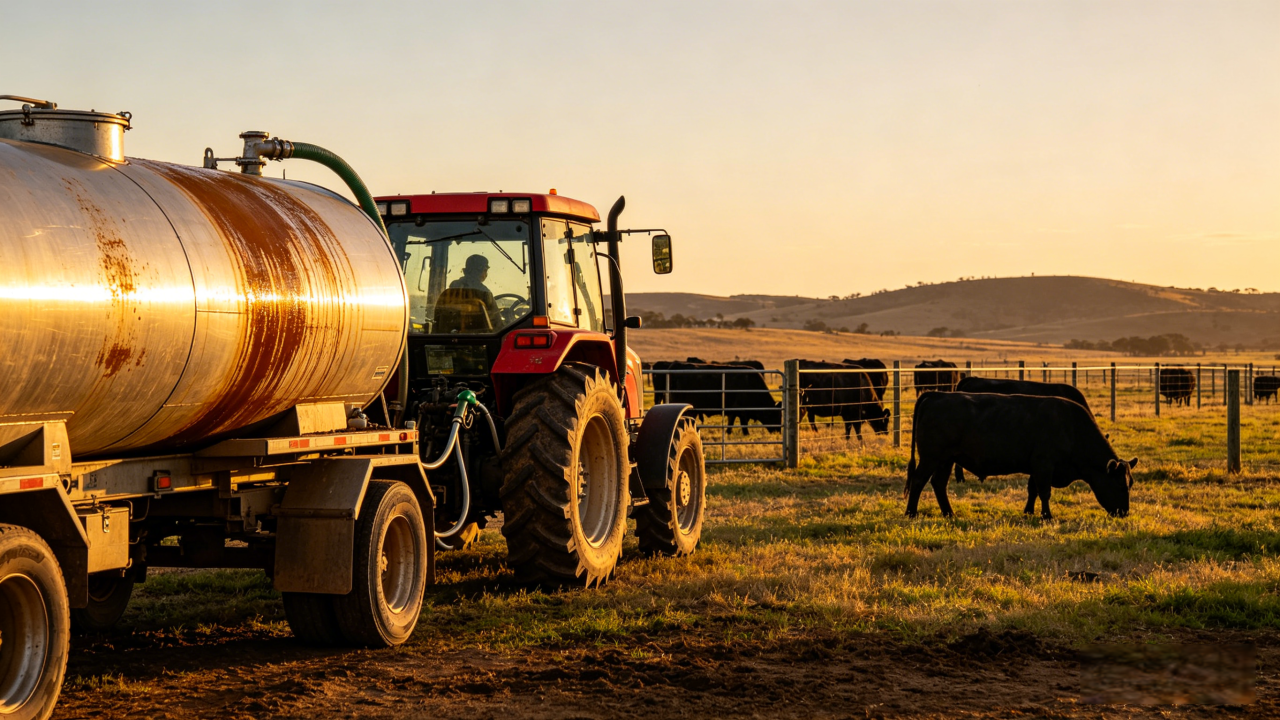
调查反馈表明,当前燃油供应困境由价格走高与供应紧缺共同导致。受访者认为两类问题相互关联,或形成负面恶性循环。供应持续收紧而需求居高不下,进一步推高燃油价格。
消息来源:MLA
Survey highlights fuel pressures on Australian red meat industry
Key points
97% of survey respondents indicated they use diesel within their operations.
Only 30% of respondents said they have access to enough fuel for the next month.
There is concern about the relationship between fuel availability and price.
A survey investigating fuel availability across the country – conducted by the Red Meat Advisory Council (RMAC) between 20–26 March – has provided insight into the impact of rising fuel prices and supply constraints on businesses within the red meat industry.
In total, 323 respondents across 13 industry sectors – including sheep and cattle farms and feedlots, mixed farms, meat processors, meat smallgoods producers and others – were surveyed.
Key findings from responses collected were:
All industry sectors are predominantly dependent on diesel and are under pressure, with 97% of respondents indicating they use diesel.
It was evident that there was significant uncertainty of fuel access for essential operations.
While fuel is regularly used across all months, the two peak demand periods for fuel are April/May and October/November.
At the time of the survey, Western NSW and the Great Southern region of WA had 28% and 43% (respectively) of respondents say they did not have access to enough liquid fuel to maintain essential operations.
Responses made it clear that current fuel supply challenges are being driven by price and limited availability. The perspective from respondents of the survey noted that these issues are linked to each other, potentially creating a negative spiral. As availability declines, demand continues to increase, leading to further price increases.
Source:MLA

