

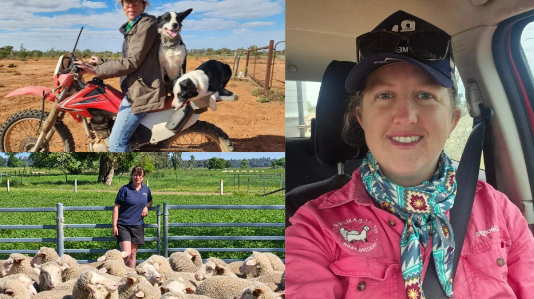
在澳大利亚红肉行业,乡村女性每日负责畜牧管理、应对季节变化,并做出影响农场经营的各项决策。
为纪念10月15日国际农村妇女日,澳大利亚肉类及畜牧业协会(MLA)采访了三位分别从事牛、羊、山羊养殖的牧场经营者,了解带来积极改变的举措、她们正在应对的挑战,以及一路走来收获的经验。
该节日旨在表彰全球农村女性在农业、畜禽生产及乡村社区发展中做出的贡献。
这份贡献背后,是一个个扎根不同土地、经营不同畜牧品类、拥有独特人生经历的个体故事。
尽管三位经营者所处的环境差异巨大,但她们都坦诚分享了如何维持农场高效运营、挖掘发展机遇、谋划未来发展。
本周,我们将讲述她们的故事。
乔治亚:依托数据,创新经营
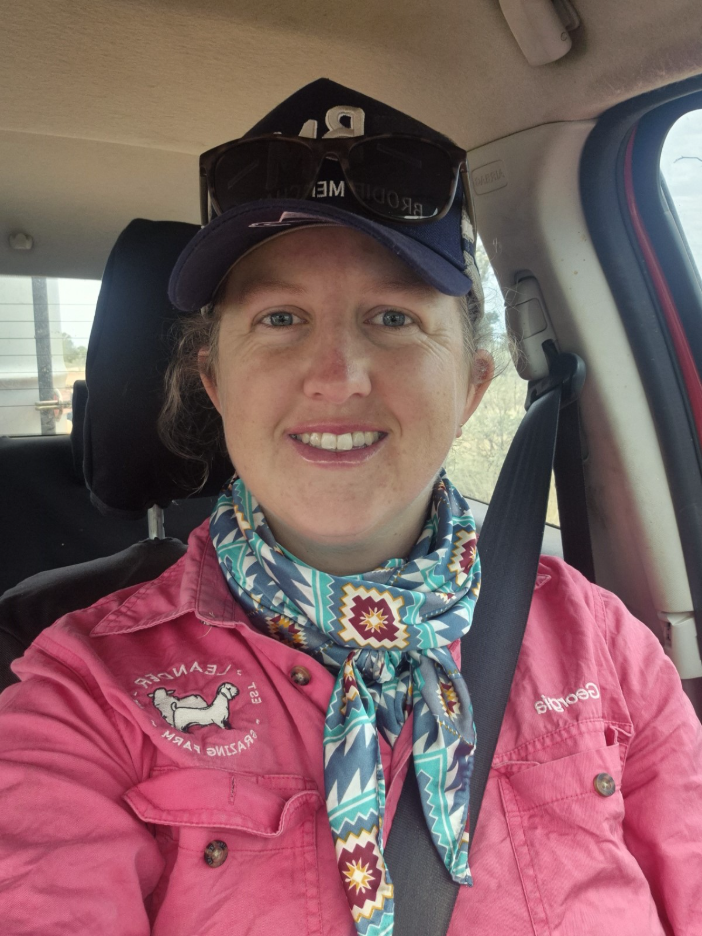
乔治亚·惠普负责管理昆士兰州朗里奇市利安德牧场的牲畜与土地。图片由受访者提供。
昆士兰州朗里奇市利安德牧场|山羊与肉牛养殖户
乔治亚·惠普与丈夫托比,以及两个孩子埃洛伊丝、丹尼尔共同拥有并经营利安德牧场。
牧场坐落于朗里奇西北方向25公里处,占地28000英亩,饲养约4500只草原母山羊与60头和牛基础母牛。
托比的父母在朗里奇南部与阿拉马克北部还拥有其他地产,一家人也会协同打理这些场地。
托比在当地经营移动汽车电气与机械维修业务,而乔治亚负责利安德牧场的日常运营。
她的工作重心聚焦于牲畜与土地管理:收集山羊生产性能数据,参与相关研究,以便更深入了解山羊品种及其对土地生态带来的影响。
“大型围栏工程和牲畜转场作业托比会帮忙,但他真正热爱的是汽车维修。”乔治亚说道。
“而我的热爱,就是利安德牧场。”
近年你在牧场经营中推行的最大变革或创新是什么?带来了哪些影响?
采集山羊相关数据是最大的变革之一。早在强制佩戴耳标要求出台的数年前,我们就开始给山羊打耳标,记录体重、体况评分、品种和性别等基础信息。
借此,我开展了一项小型对比试验,研究去势公山羊与未去势公山羊的增重差异。此前业界对于哪种山羊长势更好观点不一,但我们的数据显示,去势公羊的增重幅度是未去势公羊的两倍以上。如今,所有不作种用的公山羊我们都会进行去势处理。
我们还在水塘四周修建方形围栏,方便圈捕山羊,简化赶群作业,同时也有助于管控密林区的袋鼠数量。
另一项重要改变是开设脸书主页“利安德牧场生活”。主页并未直接创造收益,但在诸多方面助力牧场经营。
依托这个主页,我们找到了可寄养在利安德牧场的牛群、售出山羊,还结识了不少在我们有需求时伸出援手的伙伴,收获了诸多利好。
目前牧场经营中你正应对哪一项难题,你采取了哪些处理办法?
大众对山羊肉的认知仍是一大难题。当你告诉别人自己是山羊养殖户时,很多人会说从没尝过山羊肉,或是第一反应只想到咖喱菜肴。品质优良的山羊肉,吃法和牛肉、羊肉的各个部位并无二致。
不少人仍将山羊视作有害生物。在澳大利亚部分地区,山羊确实处于泛滥失控状态,但我们希望大众了解:只要管理得当,山羊对土地生态是有益的。
我们正在参与一项名为BioBrowser的研究,该项目深入探究山羊对土地产生的影响。我十分期待这项研究的成果。
你做出的哪一项决策,为牧场带来了最大的积极影响?
用心维护家族企业内部的协作关系,团队内部沟通至关重要。
学会相信自己,也带来了巨大改变。我时常会陷入冒名顶替综合征的自我怀疑。我并非畜牧行业出身,所以常常觉得自己落后于人。我花了很长时间才说服自己,不必为此焦虑,今天的成绩都是付出大量努力换来的。
和其他牧场主交流后我发现,从业年限长短并不是关键。几乎每个人,在某些时刻都会觉得自己还没完全摸透本行。
与昆士兰大学合作开展科研项目同样收获良多。这类研究助力行业发展,帮我们结识新朋友,加深对土地与牲畜的了解。项目固然存在一些弊端,但整体收益远大于负面影响。
对于自家牧场经营,或是红肉行业的未来,哪些发展机遇最令你期待?
我很期待山羊肉市场未来的发展。大众对山羊肉的认知能否有所转变?我能否为此贡献一份力量?能够身处这个行业,见证后续发展,就让我满怀期待!
你想分享给其他养殖户的一条经验或建议是什么?
一件事一直按某种方式去做,不代表必须永远如此。
多问问自己为什么要这么操作,有没有更好的办法,以及可以做出哪些调整,让经营与牲畜饲养更高效。
安娜:彰显毛肉兼用美利奴羊的价值
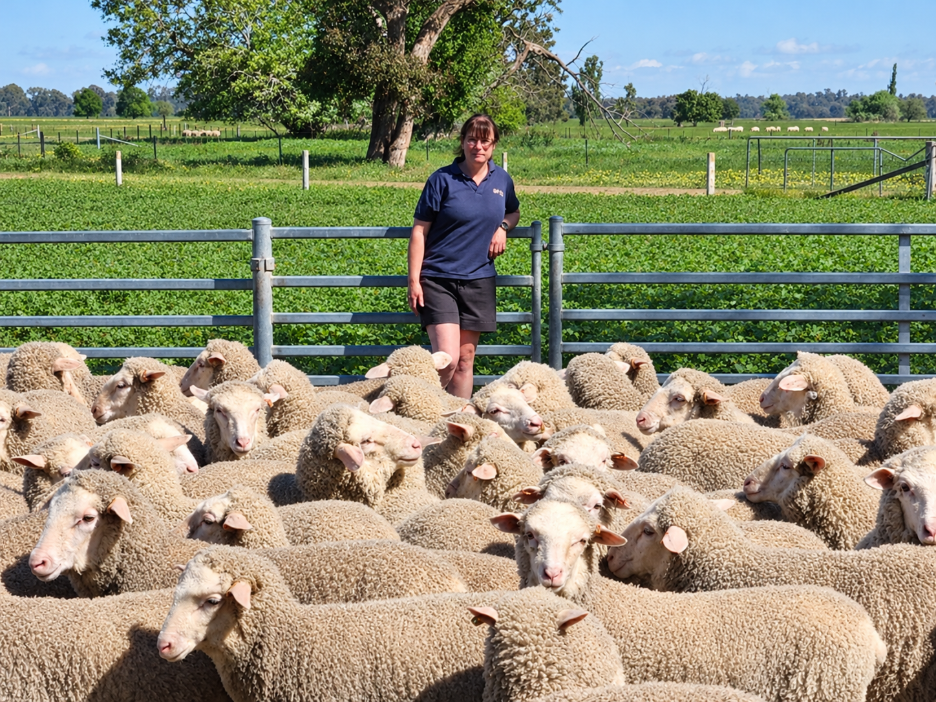
安娜·托兰在维多利亚州瓦奥莱特镇的托兰无角美利奴羊场,延续家族长达65年的美利奴羊繁育事业。图片由受访者提供。
维多利亚州瓦奥莱特镇 托兰无角美利奴羊场|绵羊养殖户
安娜·托兰是维多利亚州瓦奥莱特镇托兰无角美利奴种羊场的经营者与所有者。
该种羊场65年前由她的父亲与叔叔在奥米欧创立,1996年搬迁至瓦奥莱特镇并经营至今。
2009年,安娜与丈夫西蒙·里德尔回到农场,并于2020年全面接手牧场的所有权与运营工作。
“我的工作几乎涵盖所有事务。”安娜说。
“我负责媒体宣传、广告、网站、数据库与财务记账,同时安排剪毛、母羊妊娠检测以及大量日常运营工作。
我也深度参与绵羊实操管护工作,永远有忙不完的事情!”
你近年在经营中推行的最大变革或创新是什么?带来了哪些影响?
我们做出的重大调整之一,是将种母羊数量从2000只缩减至500只,同时新建商业化养殖板块,饲养2000只母羊。
此举让我们能够投入更多时间与资源改良种羊基因,同时减少损耗、提升生产效率。
我们还可以观测自家品系在商业化养殖环境下的表现,验证所培育绵羊的实际价值。
目前牧场经营中你正应对哪一项难题,采取了哪些处理办法?
最大难题之一是,在全国美利奴羊存栏量持续下降的背景下,维护老客户、开拓新客户。
生产投入成本上涨,收支平衡压力迫使我们持续复盘经营模式。
我们专注培育能为养殖户创造实在收益的绵羊,稳固客户合作关系,不断提升牧场自身产能与运营效率。
你做出的哪一项决策,为牧场带来了最大的积极影响?
不再把去势公羔羊单纯作为产毛羊出售,而是依托我们培育的早熟、快速生长的优良基因,将其作为肉用羊推向市场。
这让育种项目获得更高收益,充分挖掘美利奴羊毛肉兼用的潜力。
这也是牧场多元化经营的关键一步,为未来创造更多机遇。
对于自家牧场经营,或是红肉行业的未来,哪些发展机遇最令你期待?
我最期待过去20年间我们持续选育的绵羊品系。我们的核心目标是培育高产毛肉兼用美利奴羊,兼顾优质羊毛产出与可观的肉用价值。
我认为这种能在两个市场均有良好表现的绵羊拥有巨大发展空间,给予养殖户更高经营灵活性,助力打造抗风险能力更强、盈利性更好的农场。
看到育种取得的进展,持续优化基因以适配行业不断变化的需求,这件事令人振奋。
我们经常接待中小学及大学生团体到访农场,开展研学、讲座与绵羊实操体验。年轻人对农业的热忱、好奇心与热爱总是鼓舞人心。
我认为要把握住这份热情,培养他们的兴趣,创造机会,吸引下一代投身红肉行业,共同塑造行业未来。
你想分享给其他养殖户的一条经验或建议是什么?
坚持下去。务农之路充满艰辛,有时你会怀疑这一切是否值得。
遇到困境时,拿起电话,找同行好友聊一聊。有时单纯倾诉,获取不同视角,就能彻底改变局面。
同时也要学会停下来,珍惜当下拥有的一切。我的这间办公室,远胜于城市写字楼!能够在土地上劳作,深耕热爱的行业,传承家族事业,我倍感幸运。
挑战永远存在,但别忘了我们从事这份事业的初心。
劳伦:从零起步,推动变革
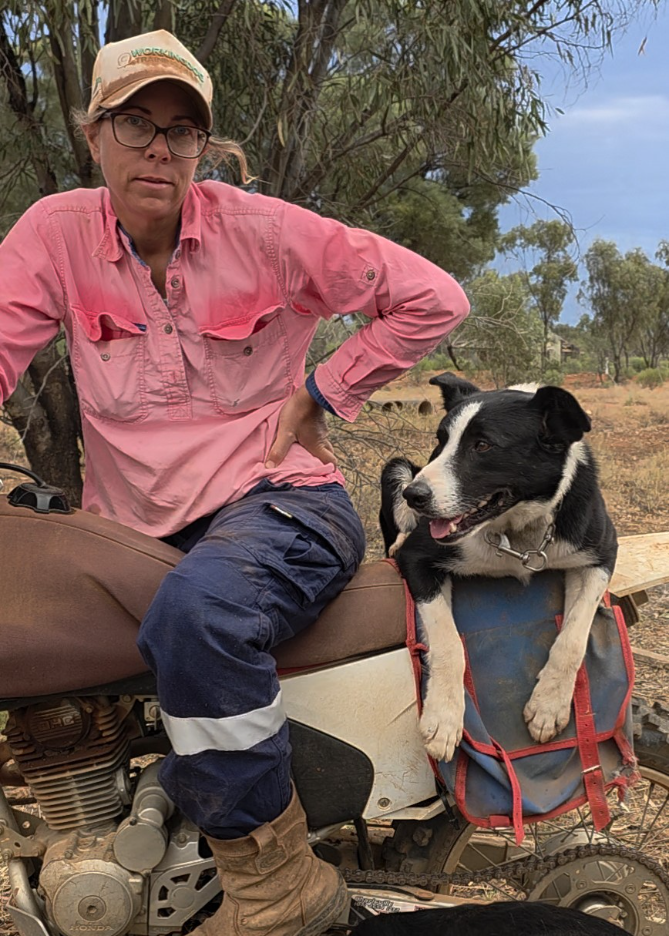
劳伦·贝雷斯福德与父亲共同经营法纳姆放牧公司,牧场位于昆士兰州西南部尤洛以北的法纳姆平原。图片由受访者提供。
昆士兰州尤洛市法纳姆平原|肉牛养殖户
劳伦·贝雷斯福德是第五代肉牛牧场经营者,她和父亲在昆士兰州西南部尤洛北部共同拥有并运营法纳姆放牧公司。
这家家族肉牛繁育场坐落于帕鲁河畔的法纳姆平原,地处该州穆尔加林地生态区。
“作为牧场的合伙人,我参与日常经营管理以及相关各项决策。”劳伦说道。
“我和儿子住在这片牧场。”
你近年在经营中推行的最大变革或创新是什么?带来了哪些影响?
我实施的最重要改变之一,是从群体牧群记录转为为每一头牲畜建立个体档案。
借此我能够追踪每头牛的完整信息,包括它待过哪些牧场分区,尤其是上次进入圈栏的时间。随时调取这些资料,能让我们更全面掌握整个牧场的运营状况。
这算不上突破性创举,但对我们而言,是完善档案记录、优化经营管理的一大进步。
目前牧场经营中你正在应对哪一项难题,采取了哪些处理办法?
和众多养殖户一样,我们经营面临的一大难题是应对多变的气候条件。
我们所在区域降雨稀少、气候波动极大,因此维持地表植被覆盖、改善土壤机能,充分利用每一次降雨都至关重要。土壤机能与雨水蓄纳利用能力越强,牧场长期产能与抗风险能力就越强。
通过精细化、适应性轮牧,提升土地产出潜力尚有很大空间。在昆士兰州西南部这类少雨地区,核心是管控放牧压力,给土地充足休养生息时间,保持地表植被,保护土壤,高效利用有限降水。
灵活调整放牧方案、顺应季节变化,能够更好管控牲畜对草场的采食,实现草场均匀利用,让牧草得以恢复。
没有放之四海而皆准的方案,在我们这片区域更是如此。但适应性放牧有望改善土地生态,增强抗风险能力,保障牧场长期产能。我们目前正在落地这套轮牧体系。
你做出的哪一项决策,为牧场带来了最大的积极影响?
很难单独挑出一项影响最大的决策,成效来自长期多项举措的共同作用。
我们持续调整放牧管理模式以适配季节变化,优先保护土地生态,投入资金完善档案系统与基础设施,不断学习、积累专业知识。
正是这些举措协同发力,才带来显著改善。每一项改进互为支撑,帮助我们科学决策、优化经营,提升牧场应对风险的能力。
对于自家牧场经营,或是红肉行业的未来,哪些发展机遇最令你期待?
我对放牧事业的未来满怀期待。我看到牧场蕴藏巨大潜力,尤其是持续打造更健康、功能完善、抗风险能力更强的土地生态。
我期待依托完善基础设施、优化放牧管理、运用技术手段,提升产能与收益。
未来还有大量机会持续学习、应变革新,同时守护土地资源,为后代打造可持续经营的牧场。
你想分享给其他养殖户的一条经验或建议是什么?
最重要的经验就是坚持学习,敢于质疑固有作业方式。
每家农场情况各不相同,适合别人的方法未必适合自己,尤其在我们这种气候波动剧烈的区域。
没有绝对的对错。关键是了解自己的土地,保持开放心态,借鉴他人经验,并随环境变化及时调整。
不必一蹴而就全盘革新。日积月累的微小改进,就能切实改善土地长期健康状况,提升牧场生产效能。
殊途同归
乔治亚、安娜与劳伦虽身处不同地区,经营不同畜牧品类,但她们的故事有着共通之处。
三人都潜心探寻适配自家农场的经营方式,顺应周边环境条件,循序渐进地做出审慎调整。
她们的经历表明,发展进步并非总需要大额投入或是彻底转型。进步有时始于对固有做法提出疑问,充分用好数据信息,或是鼓足勇气尝试新方案。
国际农村妇女日,让我们有机会看见这份贡献,聆听这些日复一日支撑澳大利亚红肉行业发展的女性从业者的心声。
消息来源:MLA
Three producers, three operations, shared lessons
Across Australia’s red meat industry, rural women are managing livestock, adapting to seasonal conditions and making decisions that shape their businesses every day.
To mark the International Day of Rural Women on 15 October, MLA spoke with three producers from the cattle, sheep and goat industries about the changes that have made a difference, the challenges they are navigating and what they have learned along the way.
The day recognises the contribution rural women make to agriculture, food and livestock production and regional communities around the world.
Behind that contribution are individual stories shaped by different landscapes, livestock enterprises and lived experiences.
While these three producers operate in very different environments, each offers an honest perspective on running a productive business, creating opportunities and preparing for what comes next.
This week, we share their stories.
Georgia backing data and doing things differently
Georgia Whip manages the livestock and land at Leander Station based in Longreach, Queensland. Image supplied.
Leander, Longreach QLD | Goat and cattle producer
Georgia Whip, alongside her husband Toby and their two children Eloise and Daniel, owns and operates Leander Station.
Located 25km north-west of Longreach, the 28,000-acre operation carries approximately 4,500 Rangeland does and 60 Wagyu breeders.
The family also works alongside Toby’s parents across additional properties south of Longreach and north of Aramac.
While Toby operates a mobile auto-electrical and mechanical business in the region, Georgia manages the day-to-day running of Leander.
Her focus is firmly on livestock and the land. From collecting performance data on their goats to taking part in research that could build a better understanding of the animals and their impact on the landscape.
“Toby helps with the big fencing jobs and when we do stock work, but his real passion is automotive,” Georgia said.
“Mine is Leander.”
What's the biggest change or innovation you've implemented in your business over recent years and what impact has it had?
Collecting data on our goats has been one of the biggest changes. We began tagging them a couple of years before it became mandatory and record simple information such as weight, condition score, breed and sex.
This allowed me to undertake a small comparison study of weight gain between castrated and entire male goats. There were mixed opinions about which would perform better, but our data showed the wethers recorded more than double the weight gain of the entire males. We now castrate all male goats that aren’t intended for breeding.
We’ve also fenced squares around our dams, allowing us to trap goats and make mustering easier. This has also helped us manage kangaroo numbers in thick country.
Another important change was starting my Facebook page, Life at Leander. It hasn’t directly generated an income, but it has supported the business in many other ways.
Through the page, we’ve found cattle for agistment on Leander, sold goats and connected with people who have been able to help us when needed. So many positive things have come from it.
What's a challenge you're currently navigating in your operation and how are you approaching it?
Public perceptions of goat meat remain a challenge. When you tell people you’re a goat producer, many say they’ve never tried it or immediately think of curries. If you get a nice goat, you can eat it just like you would any cut of beef or lamb.
A lot of people also still think of goats as pests. They are out of control in some parts of the country, but we want people to understand that, when managed correctly, goats can be beneficial to the landscape.
We’re participating in a study called BioBrowser, which is doing a lot of work to understand the impact goats have on the land. I’m excited to see what comes from that research.
What's one decision you've made that has had the biggest positive impact on your enterprise?
Working hard on relationships within the family business. Communication within the team is a big one.
Learning to back myself has also made a huge difference. Imposter syndrome can feel pretty strong sometimes. I didn’t grow up in the industry, so I often felt as though I was a bit behind. It took time to remind myself that it’s okay, and that I have put in some really hard yards to be where I am today.
Talking with other graziers, I don’t think it matters how long you’ve been in the industry. Everyone probably feels at times as though they don’t quite know what they’re doing.
Working with The University of Queensland on research projects has also been valuable. These studies support the industry, introduce us to new people and help us learn more about our land and animals. There can be drawbacks, but the positives far outweigh the negatives.
What opportunities are you most excited about for your business or the future of the red meat industry?
I’m excited to see where goat meat goes. Will the public perception of it change? Can I help with that? I think I am just excited to be a part of the industry and see where it takes me!
What's one lesson or piece of advice you'd share with other producers?
Just because something has always been done in a certain way doesn’t mean it has to continue that way.
Ask why you’re doing it that way, whether it could be done better and what you could change to make it work more effectively for your operation and your animals.
Anna proving the value of dual-purpose Merinos
Anna Toland is continuing her family’s 65-year Merino breeding legacy at Toland Poll Merino in Violet Town, Victoria. Image supplied.
Toland Poll Merino, Violet Town, VIC | Sheep producer
Anna Toland is the owner and operator of Toland Poll Merino, based in Violet Town, Victoria.
Established by her father and uncle in Omeo 65 years ago, the stud relocated to Violet Town in 1996 where it remains today.
Anna returned to the farm with her husband Simon Riddle in 2009 and took over full ownership and operation of the business in 2020.
“My role covers just about everything,” Anna said.
“I manage our media, advertising, website, databases and bookkeeping, as well as organising shearing, pregnancy scanning and plenty of other day-to-day operations.
“I’m also heavily involved in the hands-on sheep work, so there is never a shortage of things to do!”
What's the biggest change or innovation you've implemented in your business over recent years and what impact has it had?
One of the biggest changes we’ve made is reducing our stud ewe numbers from 2,000 to 500, while establishing a commercial operation running 2,000 ewes.
This has allowed us to dedicate more time and resources to improving our stud genetics, while also reducing wastage and increasing efficiency.
It gives us the opportunity to see how our genetics perform in a commercial environment and demonstrates the real-world value of the sheep we breed.
What's a challenge you're currently navigating in your operation and how are you approaching it?
One of our biggest challenges is maintaining existing client relationships and attracting new clients while the national Merino flock continues to decline.
Rising input costs and the pressure of balancing expenses against income mean we need to continually assess how we operate.
We’re focused on breeding sheep that deliver genuine value to producers, building strong relationships with our clients and continually improving the productivity and efficiency of our own operation.
What's one decision you've made that has had the biggest positive impact on your enterprise?
Rather than selling our wether lambs for wool production, we’re capitalising on the early-maturing, fast-growing genetics we’ve developed in our sheep and marketing them for meat production.
This allows us to capture greater value from our breeding program and make the most of the dual-purpose potential of our Merinos.
It has been an important step in diversifying our operation and creating more opportunities for the future.
What opportunities are you most excited about for your business or the future of the red meat industry?
I’m most excited about the sheep we’ve been breeding over the past 20 years. Our focus has been on developing productive, dual-purpose Merinos that can deliver both quality wool and valuable meat production.
I believe there are significant opportunities for sheep that can perform across both markets, giving producers greater flexibility and helping them build more resilient and profitable businesses.
It’s exciting to see the progress we’ve made and to continue refining our genetics to meet the changing needs of the industry.
We regularly welcome school groups and university students to the farm for educational visits, lectures and hands-on experience working with sheep. Their enthusiasm, curiosity and passion for agriculture are always encouraging to see.
I believe we need to harness that enthusiasm, nurture their interest and create opportunities to inspire the next generation to become involved in the red meat industry and help shape its future.
What's one lesson or piece of advice you'd share with other producers?
Stick with it. Farming can be tough and there are times when you question whether it’s all worth it.
When things get difficult, pick up the phone, call a mate and have a chat. Sometimes, simply talking things through and getting a different perspective can make all the difference.
It’s also important to take a step back and appreciate what we have. My office certainly beats an office in the city! I feel very fortunate to work on the land, be involved in an industry I’m passionate about and carry on the family business.
There will always be challenges, but it’s important to remember why we do it.
Lauren building change from the ground up
Lauren Beresford runs Farnham Grazing Co with her father at Farnham Plains, north of Eulo in south-west Queensland. Image supplied.
Farnham Plains, Eulo, QLD | Cattle producer
Fifth-generation cattle producer Lauren Beresford owns and operates Farnham Grazing Co with her father, north of Eulo in south-west Queensland.
Based at Farnham Plains on the banks of the Paroo River, the family-run cattle breeding enterprise sits within the state’s Mulga Lands.
“As a partner in the operation, I’m involved in the day-to-day running of the business and the decisions that go along with that,” Lauren said.
“I live on the property with my son.”
What’s the biggest change or innovation you’ve implemented in your business over recent years and what impact has it had?
One of the biggest changes I’ve made is moving from herd-based record-keeping to keeping individual records for each beast.
It means I can track the history of each animal, including which paddocks it has been in and, in particular, when it was last brought through the yards. Having that information at our fingertips gives us a much better picture of what’s happening across the operation.
It’s certainly not groundbreaking, but for us it’s a big step forward in keeping better records and improving the way we manage the business.
What's a challenge you're currently navigating in your operation and how are you approaching it?
As with so many other producers, one of our biggest operational challenges is working with difficult seasonal conditions.
We operate in a low-rainfall, highly variable environment, so maintaining groundcover, improving soil function and making the most of every rainfall event are really important. The more we can improve the way our soils function and their ability to capture and use rainfall, the better placed we are to build productivity and resilience into our grazing enterprise over the long term.
I think there are a lot of opportunities to improve the productive value of our soils through more intensive and adaptive rotational grazing. In a low-rainfall region such as south-west Queensland, it’s about managing grazing pressure, allowing the country adequate recovery time and maintaining groundcover to protect the soil and help it make the most of the rainfall we receive.
By being more flexible with our grazing management and adapting to seasonal conditions, we can better manage how stock uses the landscape, encourage more even utilisation and give pastures the opportunity to recover.
It’s not a one-size-fits-all approach, particularly in our environment, but I see real potential in using adaptive grazing to improve landscape function, build resilience and support the long-term productivity of our enterprise. We are currently in the process of adapting this kind of rotational system.
What’s one decision you’ve made that has had the biggest positive impact on your enterprise?
I can’t really point to one decision that has had the biggest impact. It’s been a combination of things we’ve worked on over time.
We continue to adjust our grazing management to better suit seasonal conditions, prioritise the health of the landscape, invest in better record-keeping and infrastructure, and continue to invest in learning and improving our knowledge.
I think it’s the way all these things work together that’s making the biggest difference. Each improvement builds on the others and helps us make better decisions, improve the way we manage the operation and build resilience for the future.
What opportunities are you most excited about for your business or the future of the red meat industry?
I’m really excited about the future of our grazing enterprise. I see so much potential in our business and on our property, particularly through continuing to build a healthier, more functional and resilient landscape.
I’m looking forward to finding ways to improve productivity and profitability through better infrastructure, grazing management and technology.
I think there are some great opportunities ahead to keep learning, adapting and improving how we do things, while making sure we’re looking after the country and building a sustainable business for future generations.
What’s one lesson or piece of advice you’d share with other producers?
I think one of the biggest lessons is to never stop learning and be willing to challenge the way you’ve always done things.
Every operation is different and what works for one producer might not work for another. Particularly in a region like ours where seasonal conditions can be so variable.
There is no right or wrong. I think it’s important to understand your own country, keep an open mind, learn from others and be prepared to adapt as conditions change.
You don’t have to change everything overnight. Even small improvements over time can make a real difference to the long-term health of your land and the productivity of your business.
Different paths, common ground
Georgia, Anna and Lauren work across different regions and livestock enterprises, but common threads run through their stories.
Each is looking closely at what works for her business, responding to the conditions around her and making considered changes over time.
Their experiences show that progress doesn’t always require a major investment or a complete change in direction. Sometimes, it begins with questioning an established practice, making better use of information or having the confidence to try a different approach.
International Day of Rural Women offers an opportunity to recognise these contributions and hear directly from the women helping share Australia’s red meat industry every day.
Source:MLA

