

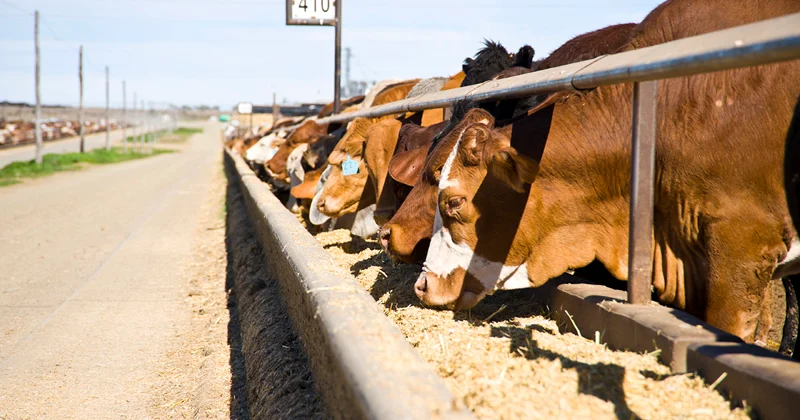
肉牛育肥的良好表现,往往在牛只进场前就已奠定基础。
这是2026澳大利亚牛肉产业博览会传递的核心观点。会上重点强调,待育肥牛的进场准备与预免疫,是保障育肥产业牛只健康、福利水平与生产效益的关键管理措施。
鉴于进场准备对育肥效果的重要影响,澳大利亚肉类与畜牧业协会(MLA)近期发布了《待育肥牛进场准备最佳实践指南》,帮助养殖户做好牛只准备,应对转入育肥场后的各类应激挑战。
博览会上的研讨内容,进一步印证了这份指南的核心主张。
MLA育肥场项目负责人托尼·巴特姆博士表示,在牛只转入育肥场前落实标准化进场准备,能够在整个育肥周期内,同时改善牛只状态与运营效益。
“待育肥牛前期调理、疫苗接种以及过渡期合群驯养,能够帮助牛只建立良好的免疫应答,更好适应育肥生产体系。”
“从而最大限度保障牛只福利水平,充分发挥生产潜力。”
预免疫应用持续推广
2026澳大利亚牛肉产业博览会重点探讨了牛呼吸道疾病(BRD)预免疫方案的普及趋势。牛呼吸道疾病是育肥牛面临的主要健康难题之一。
行业正越来越多地采用预免疫方案,让牛只在进入养殖周期高风险阶段前建立更强的免疫能力。
在“前置提升生产性能”专题圆桌论坛上,托尼介绍,尽管育肥场牛只存栏总量大幅增长,但牛呼吸道疾病的发病与死亡情况已经得到控制。
“我们观察到牛呼吸道疾病死亡率下降了50%。”
“更关键的是,牛只具备了良好的免疫水平,不易转为慢性病牛。”
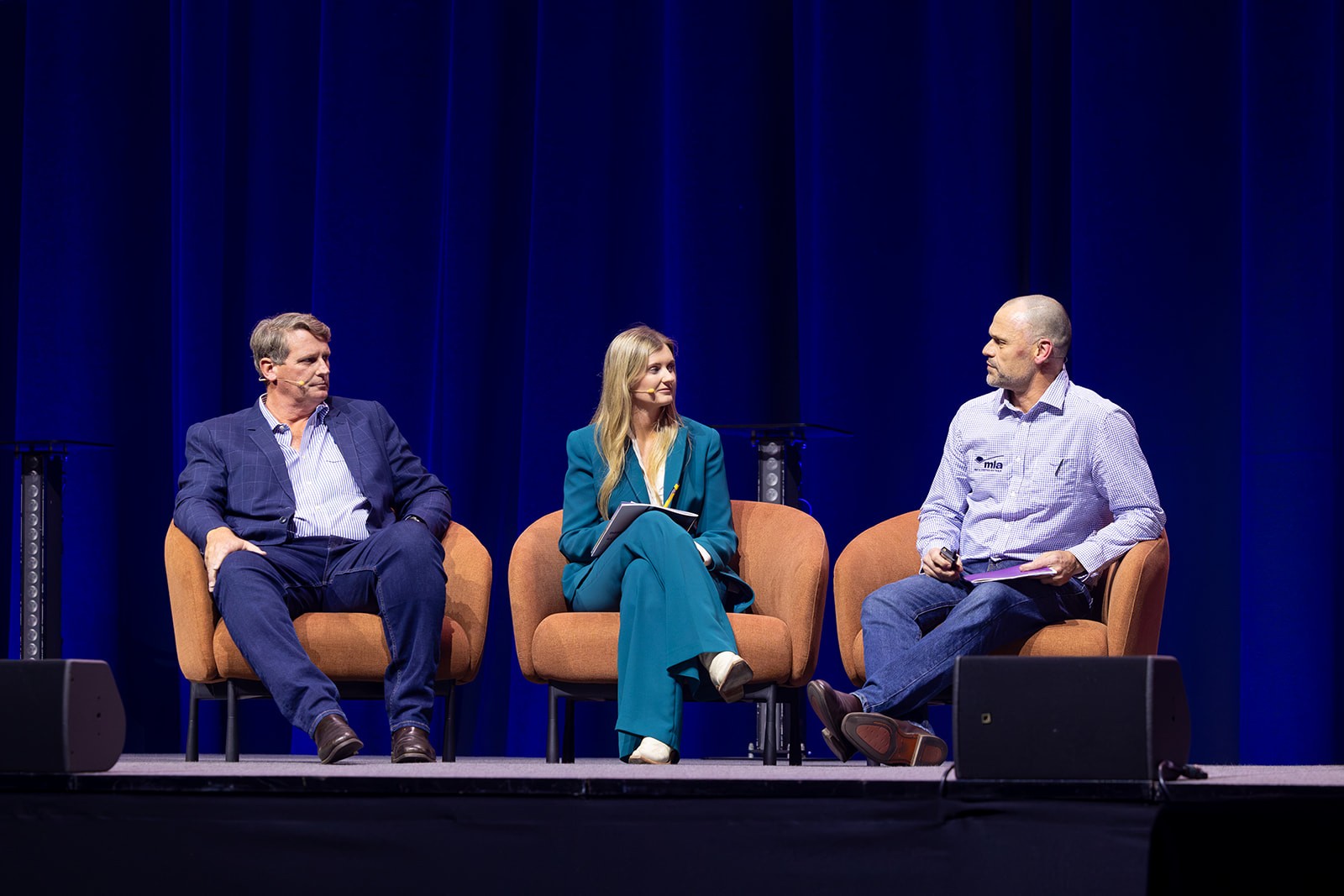
JBS澳大利亚北部畜牧事业部总经理埃德温·库克、甘达迈恩牧业公司董事凯特琳·赫伯特,以及MLA育肥场、动物福利与生物安全项目负责人托尼·巴特姆博士,在2026澳大利亚牛肉产业博览会“前置提升生产性能”圆桌论坛上,围绕牛只健康、预免疫和待育肥牛进场准备展开研讨。
图片提供:澳大利亚育肥场协会(ALFA)。
托尼同场的嘉宾还有甘达迈恩牧业公司董事凯特琳·赫伯特以及JBS澳大利亚北部畜牧事业部总经理埃德温·库克,二人分享了在商业化育肥场推行预免疫方案的实操经验。
埃德温介绍了JBS的实践经验:作为管控牛呼吸道疾病风险综合方案的一部分,该公司对进入新南威尔士州育肥场的牛只设置预免疫要求。
该项目实施五年以来覆盖范围大幅扩大,目前所有送往JBS昆士兰州与新南威尔士州育肥场的安格斯牛,均要求在进场前完成预免疫。
托尼表示,随着行业内预免疫方案的普及率不断提升,持续为牛只健康带来积极成效。
他指出,想要收获最佳效果,必须坚持在牛只进场前完成疫苗接种。
“像JBS这套机制,将进场前预免疫固化为标准流程,能够带来实实在在的改善。”他说。
“如果同一圈舍内部分牛只接种、部分未接种,就很难复刻JBS取得的成效。”
JBS采取强制免疫模式,凯特琳则分享道,预免疫在甘达迈恩牧业的动物健康管理体系中愈发重要。
该牧场位于新南威尔士州中西部尤高腊,目前并未强制要求预免疫,但配套激励政策推动更多养殖户采纳该方案。
凯特琳称,依托过渡期培育和育肥业务积累的经验,他们发现牛只进场第13天开展加强免疫效果突出。
“在甘达迈恩,凡是进场前没有完成预免疫的牛只,都会在第13天补免。这项举措彻底改变了我们的经营状况。”她说。
“我们是南部牧场,通常很难拿到体质稳定好养的牛源,采购的都是小批量南部牛群。
我们大量从牲畜交易市场收牛,混群饲养是常态。
正因如此,我们面临更高的牛呼吸道疾病风险,所以预免疫和加强免疫是甘达迈恩牧业管理工作的重中之重。”
本场圆桌论坛传递出行业共识:牛只进场前的准备工作,会对牛只整体健康、福利水平以及生产性能产生重大影响。
随着预免疫持续普及,众多育肥场从中受益:发病情况减少、死亡率下降、生产性能提升,治疗干预需求也有所降低。
不止于疫苗:育肥增效的综合管理方案
2026澳大利亚牛肉产业博览会的研讨进一步印证,育肥养殖的良好成效,早在牛只抵达育肥场之前就已奠定。
为向供应谷饲育肥牛的养殖户提供支持,澳大利亚肉类与畜牧业协会(MLA)近期推出《待育肥牛进场准备最佳实践指南》。
这份指南由MLA牵头编制,昆士兰州育肥场兽医凯夫·沙利文博士执笔,汇总了有科研支撑的实操要点,指导牛只做好进场前准备。
MLA育肥场项目负责人莉兹·皮尔逊表示,该指南整合现有资料,为养殖户以及整条供应链打造了一份实用参考材料。
“此前已有大量具备科研依据的优质资料介绍牛只进场准备,但内容分散,缺少一份简洁易用的汇总文件。”她说。
“MLA编制这份指南,就是为整合相关信息,给放牧养殖户清晰的操作步骤,让牛只进场后能够顺利适应、发挥生产潜力、满足育肥场要求,保证牛只健康生长,而不只是完成进场交付。”
指南列明牛只转入育肥场后需要面对的多重应激挑战:环境、饲料与饮水来源改变、运输、转群操作,以及和不同来源、不同健康状态的牛只混群。
牛只对这些变化的适应情况,会显著影响其健康、福利水平与生产表现。
指南的核心重点之一,是在进场前降低牛只应激。
经圈舍断奶、驯化良好的牛只,适应育肥环境的表现普遍更好,在育肥初期出现健康与福利问题的风险更低。
指南梳理了一系列保障顺利进场的管理措施,包含断奶驯化、疫苗接种、寄生虫防控、尽量缩短断料断水时长,以及周密的运输方案规划。
莉兹介绍,这份指南不仅面向向育肥场供牛的养殖户,也适用于育肥场经营者、牲畜经纪人和供应链上的技术顾问。
“我们希望这份实用资料,帮助供应链各环节参与者充分沟通待育肥牛准备工作,找到实现多方共赢的关键抓手。”她说。
消息来源:MLA
Preparing cattle for feedlot success
Successful feedlot performance often starts well before cattle arrive at the gate.
This was a key message shared at BeefEx 2026, where feeder cattle preparation and pre-vaccination were highlighted as important management practices for supporting animal health, wellbeing and productivity outcomes across the feedlot sector.
Recognising the impact that preparation can have on feedlot performance, Meat & Livestock Australia (MLA) recently launched theFeeder Cattle Preparation Best Practice Guide. A resource designed to help producers prepare cattle for the challenges of feedlot entry.
Discussions at BeefEx reinforced the guide's key message.
MLA Program Manager – Feedlot, Dr Tony Batterham said investing in best practice cattle preparation before feedlot entry can deliver benefits for both cattle and operational performance throughout the feeding period.
"Feeder cattle preparation involving pre-conditioning, vaccination and socialisation in backgrounding can set cattle up with an optimal immune response and adaptation to the feedlot production system,” he said.
“Such that their wellbeing and productivity have the best chance to thrive.”
Pre-vaccination continues to gain momentum
A key topic discussed at BeefEx 2026 was the growing adoption of pre-vaccination programs for Bovine Respiratory Disease (BRD), one of the most significant health challenges facing feedlot cattle.
Pre-vaccination programs are increasingly being adopted across the industry to help strengthen immune responses before cattle enter what is often considered one of the highest-risk periods of the production cycle.
Speaking on the Front-loading Performance discussion panel, Tony said reductions in BRD-related illness and mortality had been achieved despite significant growth in cattle numbers across the feedlot sector.
“We’ve seen a 50% reduction in BRD mortalities,” he said.
“But importantly because they’ve got these optimised immune responses, the cattle are also not becoming chronic animals.”
JBS Australia General Manager - Livestock Northern Edwin Cooke, Gundamain Pastoral Company Managing Director Caitlin Herbert and MLA Program Manager for Feedlot, Animal Wellbeing and Biosecurity Dr Tony Batterham discuss cattle health, pre-vaccination and feeder preparation during the Front-loading Performance panel at BeefEx 2026.
Image supplied: ALFA.
Tony was joined on the panel by Gundamain Pastoral Company Managing Director Caitlin Herbert and JBS Australia General Manager - Livestock Northern Edwin Cooke, who shared their experiences implementing pre-vaccination programs within commercial feedlot operations.
Edwin shared JBS's experience implementing pre-vaccination requirements for cattle entering its NSW feedlots as part of its broader approach to managing BRD risk.
Five years on, the program had expanded significantly with all Angus cattle entering JBS's Queensland and NSW feedlots now required to be pre-vaccinated prior to feedlot entry.
Tony said pre-vaccination programs continued to deliver positive cattle health outcomes as adoption increased across the industry.
He noted the strongest benefits were achieved when vaccination was consistently applied before cattle entered the feedlot.
“Programs like what JBS have, where it’s structurally built in for animals to be prepared with a pre-feedlot entry vaccination, means it makes a material difference,” he said.
“If some animals in pens are not vaccinated and some are, there’s less guarantee of the results that JBS has seen.”
While JBS had adopted a mandatory approach, Caitlin shared how pre-vaccination had become an increasingly important part of Gundamain's animal health strategy.
Based in Eugowra, central-west NSW, the operation did not currently mandate pre-vaccination, however, producer incentives had encouraged greater uptake.
Caitlin said experience gained through the business's backgrounding and lot feeding programs had shown the benefits of revaccinating cattle on day 13 after feedlot entry.
“Any cattle that aren’t pre-vaccinated prior to feedlot entry at Gundamain are then vaccinated on day 13, and it has been an absolute game changer for our business,” she said.
“Being a southern yard, we don’t typically buy ‘easy’ cattle, we buy smaller mobs of southern cattle.
“We buy a lot of saleyard cattle, so mixing mobs is a big part of what we do.
“Because of that, we do have a higher BRD risk, so for us, revaccination and pre-vaccination is a big part of the job at Gundamain.”
The panel discussion reinforced a consistent message across the industry – preparing cattle before feedlot entry could have a significant impact on overall animal health, wellbeing and performance outcomes.
As pre-vaccination adoption continues to increase, many feedlots are seeing benefits through reduced illness, lower mortality rates, improved animal performance and a reduced need for treatment interventions.
Beyond vaccination and best practice for feedlot success
BeefEx 2026 conversations also reinforced that successful lot feeding performance began well before cattle arrived at the feedlot.
To support producers supplying cattle into grainfed programs, MLA recently launched the Feeder Cattle Preparation Best Practice Guide.
Developed by MLA and authored by Queensland feedlot veterinarian Dr Kev Sullivan, the guide brings together practical, research-backed information on preparing cattle for feedlot entry.
MLA Project Manager – Feedlot, Liz Pearson said the guide consolidated existing information into a practical resource for producers and the wider supply chain.
“There was a lot of valuable, research-backed information available on preparing cattle for feedlot entry, but it wasn’t all in one practical, easy-to-use resource,” she said.
“MLA developed this guide to bring that information together and give grassfed producers clear steps to prepare cattle that arrive ready to adapt, perform and meet feedlot requirements, ensuring that cattle thrive, not simply arrive.”
The guide highlighted the range of challenges cattle can face when entering a feedlot, including changes in environment, feed and water sources, transport, handling and co-mingling with cattle from different origins and health statuses.
How cattle adapt to these changes can have a significant impact on their health, wellbeing and performance outcomes.
A key focus of the guide was reducing stress before feedlot entry.
Yard-weaned and well-educated cattle have consistently been shown to adapt more successfully to feedlot conditions and are less likely to experience health and wellbeing challenges during the early stages of feeding.
The guide outlined a range of management practices to support successful feedlot entry. This included weaning and education, vaccination, parasite management, minimising time off feed and water, and careful transport planning.
Liz said the guide was designed not only for producers supplying cattle to feedlots, but also for lot feeders, livestock agents and advisers working across the supply chain.
“We see it as a practical resource that helps everyone involved in the supply chain have more informed conversations about feeder preparation and what drives successful outcomes for everyone,” she said.
Source:MLA

