

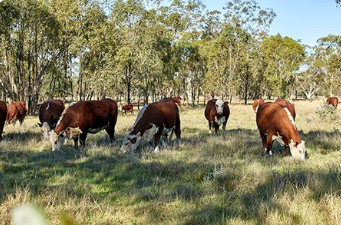
依托一项联合研究项目,肉牛产业距离培育高产低甲烷排放牛只的目标更进一步。
自2022年起,研究人员持续记录南方多品种育种项目与安格斯种公牛测定项目中5000余头牛只的甲烷排放量及生长、繁殖等核心生产性状。
本次甲烷排放基因组研究育种值的发布是该项目的重要里程碑。养殖户很快可据此开展多性状选育,在提升牛群产能的同时降低甲烷排放。
长期减排
该项目由新英格兰大学、新南威尔士州初级产业与区域发展厅、澳大利亚安格斯牛协会以及澳洲肉类及畜牧业协会联合开展。
研究人员在新英格兰大学图林巴育肥场,对阉公牛采食、生产性能检测阶段的甲烷排放量进行测定;同时借助 GreenFeed 气体监测设备,在牧场对受试母牛开展持续观测。
研究人员与合作养殖户全程采集牛只从出生至屠宰全生命周期的基因数据,记录胴体品质、生长速度、繁殖能力、食用口感、出肉率等多项生产性状。
全新甲烷研究育种值可与 BREEDPLAN 育种体系现有各类性状指标配套使用。
新英格兰大学萨姆・克拉克教授表示,这是该技术全行业推广的关键基础,有望带来长期深远影响。
“基因改良具备长期性、永久性、累积性特征,我们能够逐代优化牛群基因,同步提升养殖产能与甲烷减排相关生产效率。”
新南威尔士州初级产业与区域发展厅的汤姆・格兰利斯博士认为,这项研究能实现养殖户与环境双赢,前景广阔。
“目前该技术距离全面落地全行业仍有一段距离,但本次研究最亮眼之处在于,各方都能获益,如同奥普拉脱口秀人人有奖。
环境可受益于甲烷排放量下降,养殖户则能饲养出生产效率更高、产能更佳的肉牛。”
甲烷排放检测
从牧场实操层面来看,该项目得出多项研究结论,可为后续减排项目提供参考依据。
牛只自主进入 GreenFeed 设备采食时,设备传感器会监测其呼出气体中的二氧化碳浓度。
汤姆表示:“项目初期,牧场牛只主动使用 GreenFeed 监测设备的比例仅 60%。
牧场中饮水点、可供蹭挠的树木等事物都会分散牛只注意力,和监测设备形成竞争。
我们尝试了多种诱导方案,最终将设备使用率提升至 80%。
无论牛只使用率是零还是百分之百,项目整体投入成本不变,因此尽可能提高设备到访使用率至关重要。”
全系统统筹方案
该项目属于全球同类型规模最大的研究项目之一。萨姆认为,它只是整套研究工作的一环,整体目标是推动全生产体系提升养殖效率与可持续发展水平。
“养殖户可以通过缩短肉牛出栏周期,间接控制甲烷排放”, 萨姆说道。
淘汰空怀母牛、将母牛初产年龄从三岁提前至两岁、选育高产低排放种公牛,是优化全国牛群、实现长期减排见效最快的手段;饲料添加剂、改良牧草后续也将发挥配套作用。
养殖户预计2027至2028年可通过 BREEDPLAN 育种平台使用这套全新甲烷基因组研究育种值。
目前行业已新增合作研发投入,合作方涵盖农业净零排放合作研究中心、新英格兰大学、动物遗传育种研究所与全球甲烷研究中心,将持续采集甲烷相关监测数据,在现有项目基础上迭代完善,为澳大利亚红肉产业常态化提供甲烷选育工具。
甲烷研究育种值(RBVs)作用原理
种公牛会将自身50%(一半)的遗传信息传递给后代。
若一头种公牛甲烷研究育种值为负值(低于当前品种均值0),其后代至少会继承一半低甲烷排放遗传潜力。
举例:一头育种值为-20克/天的种公牛,后代育种值可达-10克/天。
长期同步选育低甲烷排放且综合生产性能优良的种牛,将对全国牛群总甲烷排放量产生显著累积减排效果:到2050年,可减少280万至1240万吨二氧化碳当量排放,二氧化碳当量降幅达5%—20%。
消息来源:MLA
New methane Research Breeding Values set to help lift herd efficiency
The beef industry is one step closer to breeding highly productive cattle that produce lower methane emissions thanks to a collaborative research project.
Since 2022, researchers have recorded the methane emissions and key performance traits – including growth and fertility – of more than 5,000 animals from the Southern Multibreed Project and Angus Sire Benchmarking Program herds.
The recent release of genomic Research Breeding Values (RBVs) for methane emissions marks a key milestone in the project. It will soon enable producers to perform multi-trait genetic selection to maximise their herds’ productivity while reducing their methane emissions.
Long-term reductions
The ‘Low methane beef (LMB) project’ is a joint initiative between the University of New England (UNE), NSW Department of Primary Industries and Regional Development (DPIRD), Angus Australia and MLA.
Measurements of methane were taken from steers at UNE’s Tullimba feedlot during feed intake and performance testing, while their sisters were monitored on pasture using GreenFeed emissions systems.
Researchers and participating producers collected genetic data right throughout the animals’ lives, from birth to processing. They recorded performance traits such as carcase quality, growth, fertility, eating quality and yield.
The new methane RBVs are designed to work in combination with other traits currently available in BREEDPLAN.
UNE researcher, Professor Sam Clark, see this as a key requirement for industry-wide adoption and the potential for lasting impact.
“Genetic change is long term, permanent and cumulative – we can essentially improve herd genetics with each generation to increase productivity and efficiency for methane traits,” Sam said.
Dr Tom Granleese from NSW DPIRD is excited about the win-win for both producers and the environment.
“We’re still a little way off from making industry-wide impact, but the most exciting part of this research is that like at Oprah Winfrey shows, everybody gets a prize,” Tom said.
“The environment benefits from lower methane emissions and producers benefit from more efficient, productive cattle.”
Measuring for methane
At the paddock level, the project has uncovered insights that will inform future emissions reduction projects.
When animals enter the GreenFeed units voluntarily to feed, sensors monitor the carbon dioxide levels in their breath.
“At the start of the project we had a 60% visitation rate to the GreenFeed systems in the paddock,” Tom said.
“The machines are competing for the cattle’s attention with other attractions such as watering points and trees to play with.
“We trialled different measures to encourage them to use the machines and were able to increase visitation up to 80%.
“The cost of the project doesn’t change whether you get 100% visitation or none, so maximising visitation is important.”
A whole-of-system approach
The project is one of the largest of its kind internationally. Sam sees it as just one part of a larger body of work to move the whole production system towards greater efficiency and sustainability.
“Producers manage methane indirectly by optimising the time it takes to get an animal to market,” Sam said.
Culling dry cows, getting cows to calve at two years of age instead of three, and selecting bulls for optimised productivity and lower emissions are the fastest ways to make long-term changes to the national herd. Feed additives and pastures may also have their place in future.
Producers are expected to have access to the new methane genomic breeding values via BREEDPLAN from 2027–28.
There are new investments in collaboration with the Zero Net Emissions Agriculture CRC, UNE, Animal Genetics and Breeding Unit and the Global Methane Hub to continue collecting the required methane data to build on this project to routinely deliver methane breeding tools to the Australian red meat industry.
How methane Research Breeding Values (RBVs) work
A sire passes on 50% or half of his genetic information to his offspring.
A sire with a negative methane RBV (less than the current breed average of 0), will produce offspring with at least half its potential to emit less methane.
For example, a sire with an RBV value of -20 grams per day (g/day) will produce offspring with a -10g/day RBV.
Over time, selecting for reduced methane emissions in conjunction with overall performance will make a significant and cumulative impact on the national herd’s overall methane emissions to the effect of 2.8–12.4 million tonnes of carbon dioxide equivalent (Mt CO2e) by 2050 or 5–20% reduction in CO2e.
Source:MLA

